June 9, 2026
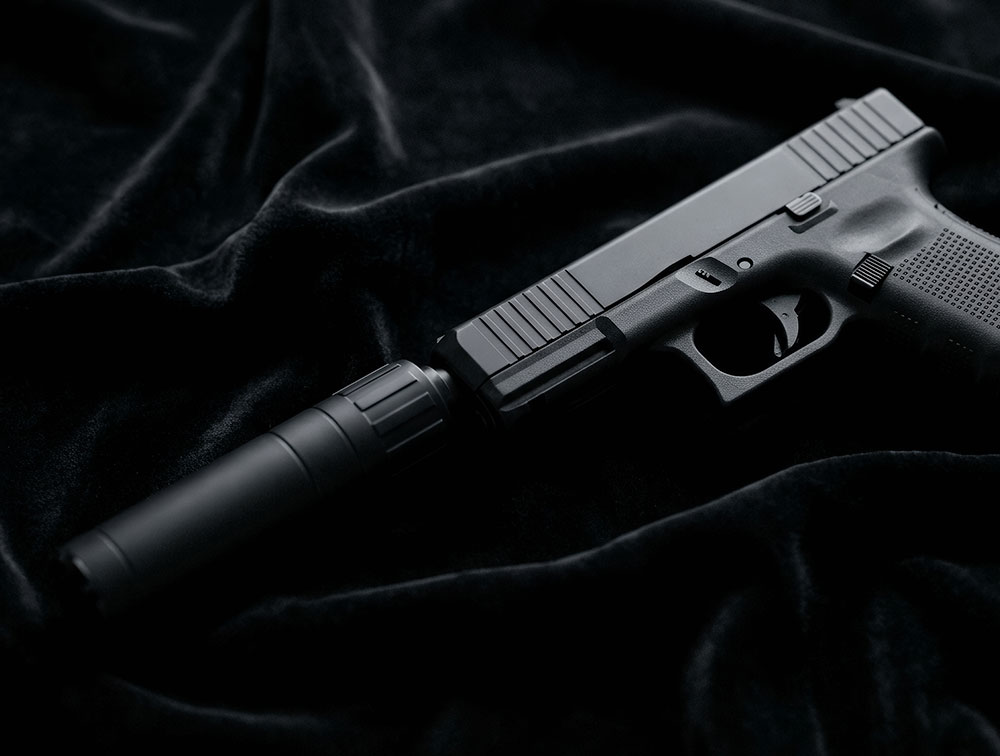
For 90 years, a $200 federal tax stamp kept suppressors out of reach for millions of law-abiding Americans. That barrier is gone. The market has exploded. Here’s how to navigate it — and which cans are worth your money in 2026.
On Jan. 1, 2026, something happened in the American firearms world that would have seemed like a political fantasy five years ago. The $200 federal tax stamp on suppressors — a fee baked into the National Firearms Act since 1934 — dropped to zero. Overnight, a financial barrier that had existed for 90 years was gone, and the shooting public responded with a level of enthusiasm that caught even optimistic industry insiders off guard.
The numbers tell the story. On a normal day, ATF processes roughly 2,500 eForms. On Jan. 1, 2026, it processed more than 150,000. In a single day, the NFA eForm system handled 60 times its typical daily volume. Suppressor manufacturers that had been ramping up production for months scrambled to keep pace. Dealers who had stocked up on inventory found it moving faster than anything they had seen before.
Six months later, the market has evolved rapidly. The price competition is fierce. The technology has advanced significantly. And for the first time in nearly a century, the most common question a firearms retailer hears isn’t “Do I have to pay the tax?” It’s “Which one should I buy?”
This guide answers that question — for hunters, competitive shooters, home defenders, and anyone who has been waiting for exactly this moment to finally get into cans.
The suppressor tax stamp repeal was tucked inside the One Big Beautiful Bill Act, signed into law on July 4, 2025, with the $0 transfer tax taking effect Jan. 1, 2026. What changed is specific and important to understand. What didn’t change is equally important.
The Bottom Line: Suppressors are now as financially accessible as any other firearm accessory. The regulatory process still exists, but the $200 financial penalty for exercising a lawful right is gone. Check your state laws before purchasing — suppressor legality varies and some states have not changed their restrictions.
The hearing protection argument has always been the most compelling and least appreciated case for suppressors. A centerfire rifle or pistol produces between 140 and 175 decibels of muzzle blast — well above the 140 dB threshold at which hearing damage occurs instantly. A single unprotected shot can cause permanent hearing loss. Most hunters know this. Most hunters also know that fumbling with foam earplugs at the moment a buck steps out is not a realistic option.
A suppressor doesn’t make a rifle whisper-quiet in the Hollywood sense. A suppressed .308 is still approximately 130 to 135 dB — about as loud as a jackhammer. What it does is bring the sound below the threshold of instantaneous hearing damage, and reduce the total acoustic signature enough to shoot comfortably without ear protection, or with a single layer of protection instead of doubling up. Over a lifetime of shooting, that matters enormously.
Beyond hearing protection, suppressors provide a suite of practical benefits that are especially relevant to hunters and precision rifle shooters.
A suppressor doesn’t make your rifle sound like a library. It makes it sound like something that won’t permanently damage your hearing. That’s not a luxury — it’s basic safety equipment.
Every suppressor is rated for specific calibers and pressure levels. A .30-caliber can (.308, .300 Win Mag, 6.5 Creedmoor, etc.) is the most versatile centerfire option — it handles most common hunting and precision rifle cartridges. A dedicated 5.56 can is optimized for that pressure envelope but can’t be used on larger calibers. A rimfire can is a completely separate category and must be user-serviceable because .22 LR is extraordinarily dirty.
For a first suppressor, a quality .30-caliber can is generally the best investment. It covers the most common hunting cartridges under one purchase and transitions cleanly between rifles with compatible threading.
A suppressor lives at the end of your barrel, which is the worst possible location to add weight from a balance and handling standpoint. Even a modest weight difference — 4 oz. versus 14 oz. — translates to a meaningfully different rifle feel, especially on lightweight hunting builds where the whole point is to keep the system manageable in the field.
Titanium suppressors are the current benchmark for the weight-conscious buyer. They’re more expensive than stainless steel alternatives but deliver substantially better strength-to-weight ratios. Inconel and stainless steel are more durable under sustained fire conditions (relevant for competition and duty use) but add weight. For hunting applications, titanium is almost always the right call.
Direct thread suppressors screw directly onto the muzzle threads of the barrel. They’re simple, reliable, light, and less expensive. The downside is that swapping between rifles requires tools and attention to torque.
Quick-detach (QD) systems use a dedicated muzzle device (flash hider or brake) that stays on the rifle, with the suppressor snapping on and off in seconds. If you own multiple rifles you want to run suppressed, a QD system is worth the premium — the convenience of running one can across several hosts without a wrench is significant.
Adding a suppressor changes the harmonic signature of the barrel, which means your point of impact will shift — sometimes slightly, sometimes significantly — when you thread on the can. Zero your rifle with the suppressor in place if you intend to hunt or compete suppressed. Do not assume your unsuppressed zero transfers.
Quality suppressor manufacturers publish POI shift data. A well-designed can on a properly threaded barrel should produce a consistent, repeatable shift — meaning once you know what it does, you can compensate for it or zero with it.
The question every new buyer faces: buy one versatile suppressor to run across multiple rifles, or buy purpose-specific cans for each firearm? For most first-time buyers, one quality .30-caliber suppressor is the right starting point. It covers the widest practical cartridge range, and once you understand what you want from the platform, you can add specialized cans later.
The 2026 market is the most competitive and buyer-friendly suppressor market in American history. The $200 tax removal prompted manufacturers to sharpen their pricing, and new entrants are pushing incumbents to improve. Here are the standout options across use cases and price points.
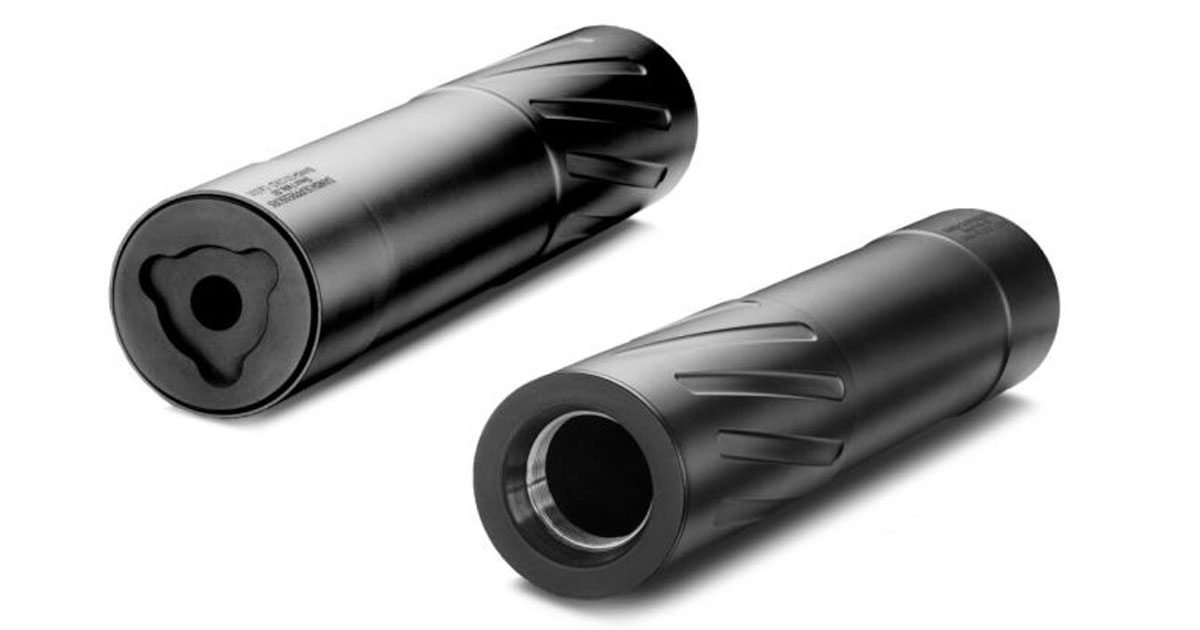
Best value — all-around
Key Specs: Modular titanium, 5–7”, ~10 oz., .30 cal
MSRP (2026): $1,299.00
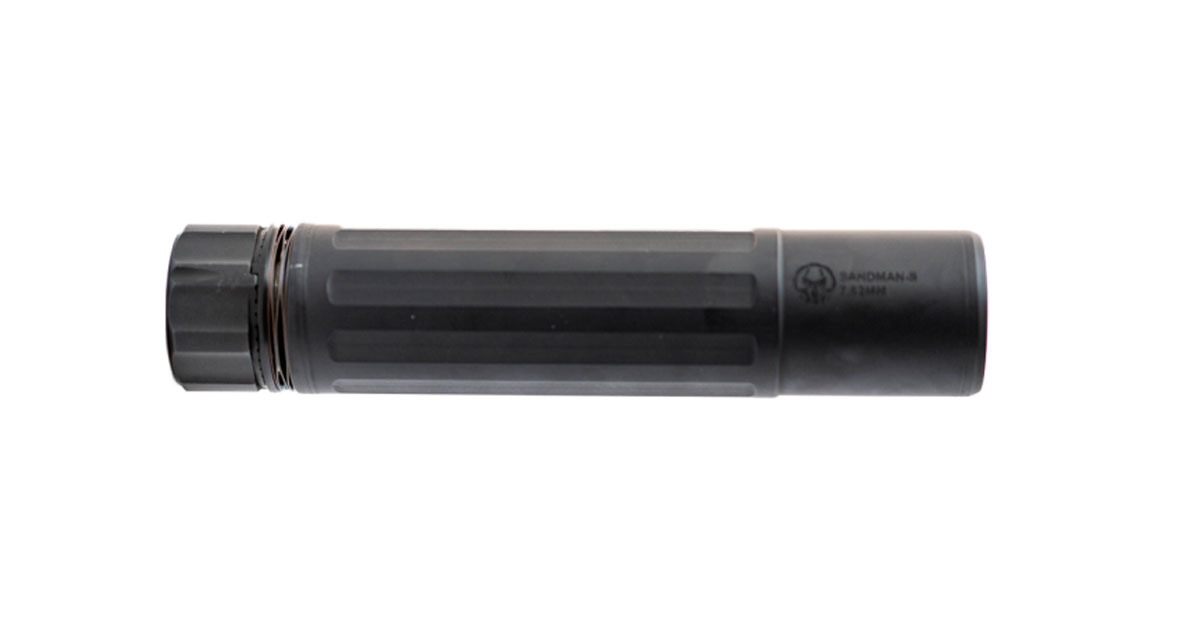
Best do-it-all .30 cal
Key Specs: Keymo mount, stainless, 7”, 18 oz.
MSRP (2026): $999.00
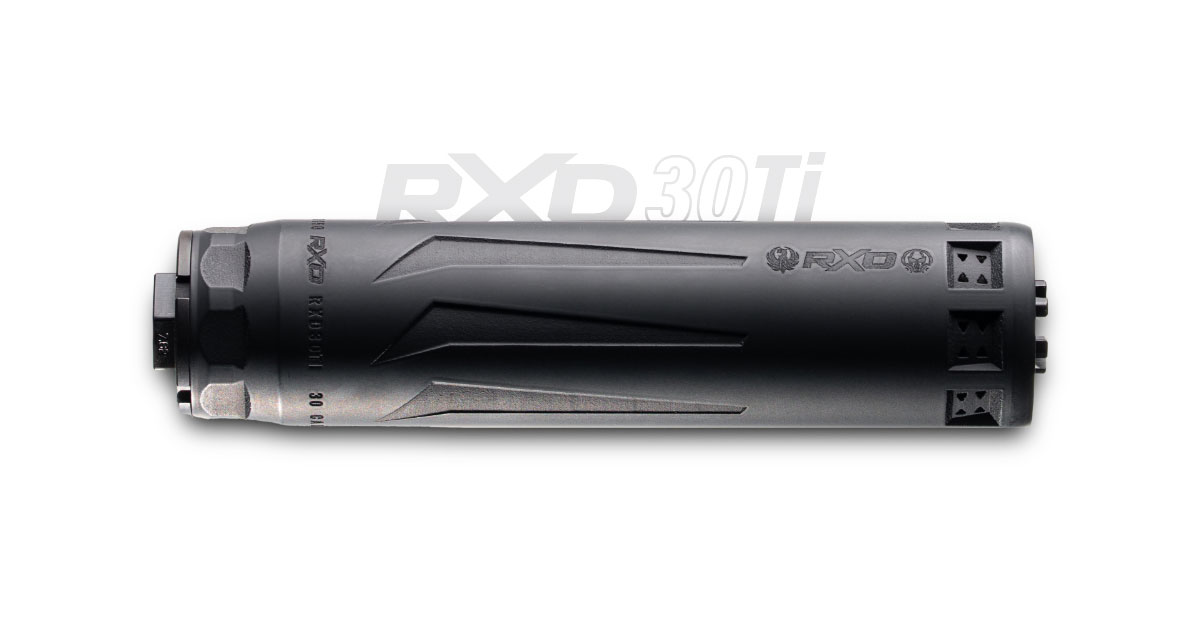
Best precision/hunting Ti
Key Specs: Triskelion baffles, integrated E-Brake, titanium
MSRP (2026): $1099.00
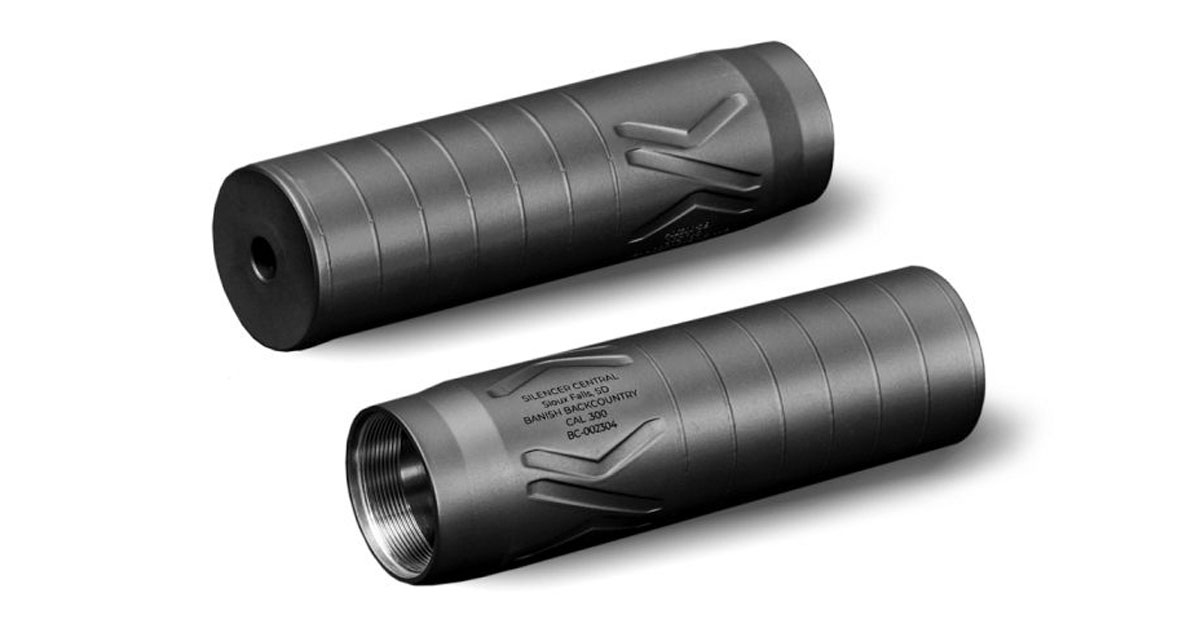
Best backcountry hunting
Key Specs: 7.8 oz. titanium, 5.5”, .30 cal, full-length versatility
MSRP (2026): $1099.00
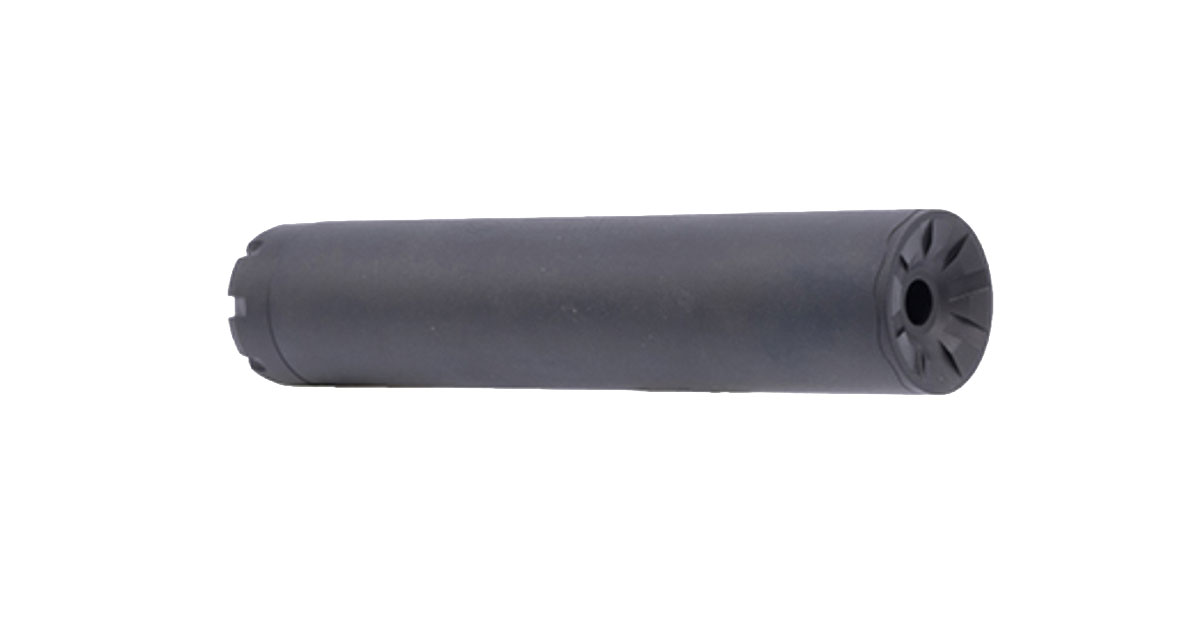
Best rimfire — first buy
Key Specs: Stainless monocore, easiest to clean, longest track record
MSRP (2026): $349.00
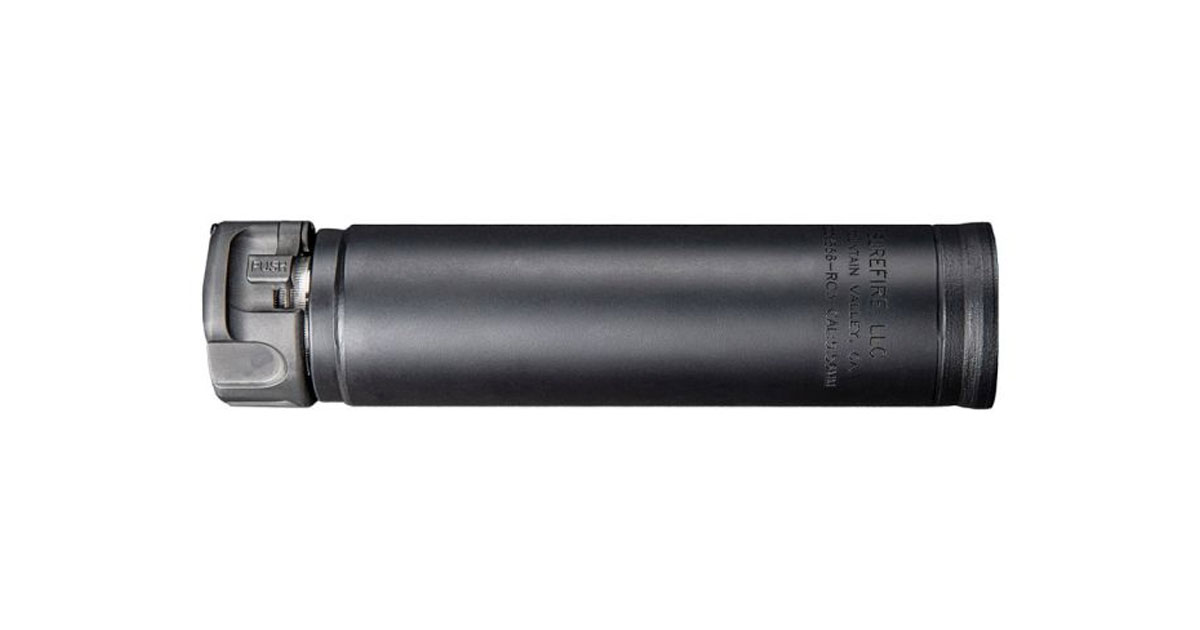
Best duty/hard use
Key Specs: Reduced back pressure, bomb-proof, DI-friendly
MSRP (2026): $1799.00
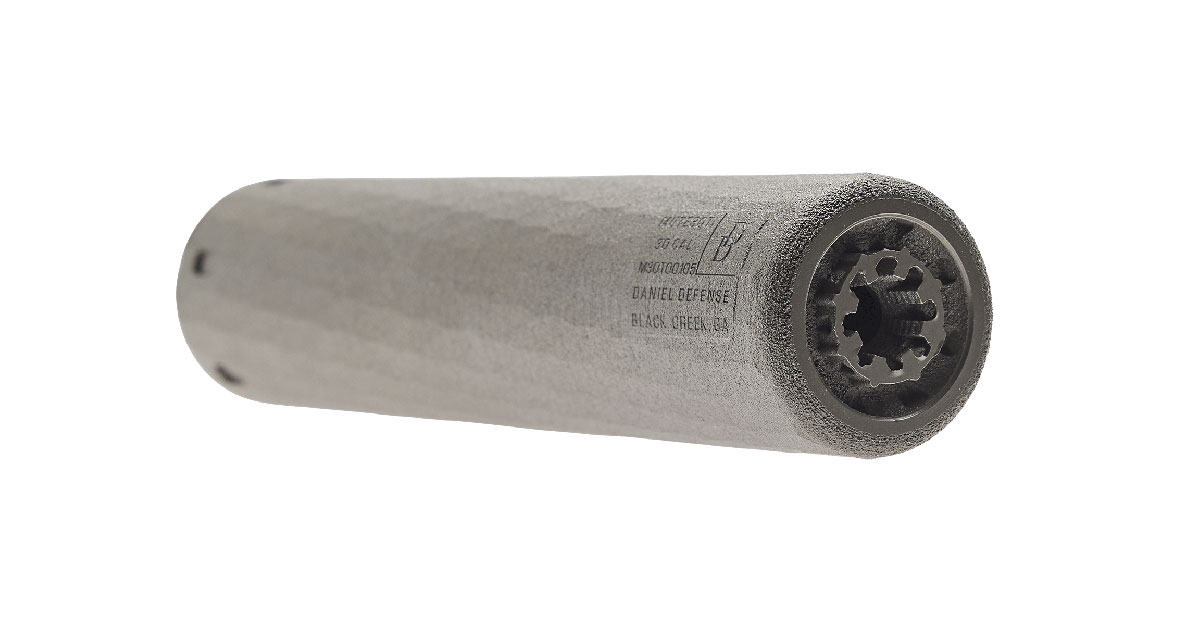
Best bolt gun hunting
Key Specs: 3D-printed titanium, 8.4 oz., 7”, zero-balance compromise
MSRP (2026): $899.00
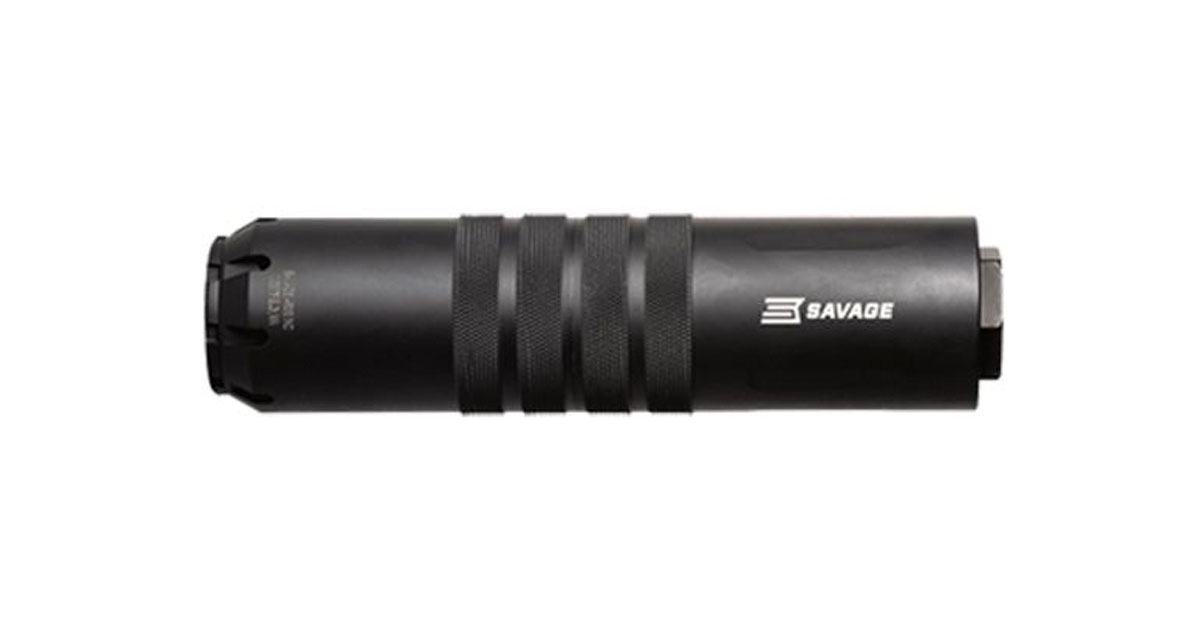
Best back-over-barrel host
Key Specs: Back-over-barrel design, OAL-neutral on compatible rifles
MSRP (2026): $1099.00
The $200 tax removal is the most significant change to suppressor law in 90 years, but it may not be the last. Multiple lawsuits are currently working through the federal court system that challenge whether the NFA can continue to regulate suppressors and SBRs now that no tax is collected. The original legal justification for NFA regulation was the federal taxing power. Remove the tax, the argument goes, and the constitutional basis for the NFA’s suppressor provisions erodes significantly.
The Silencer Shop Foundation and other Second Amendment organizations are actively litigating these cases. A favorable ruling could ultimately reduce suppressor purchases to a standard 4473 background check — the same process as buying any other firearm — and remove the Form 4 process entirely. Resolution will take years and is not guaranteed, but the legal trajectory is favorable for suppressor owners in a way that would have seemed improbable as recently as 2023.
In the near term, the practical challenge is manufacturing and administrative capacity. ATF eForm processing has improved dramatically, with current approval times measured in weeks rather than months. But with demand running at multiples of historical norms, wait times will fluctuate. Plan accordingly, and file sooner rather than later if you have a specific suppressor in mind for a hunt or competition season.
The $200 tax was a 90-year-old financial penalty on a lawful purchase. It’s gone now. The question was never whether suppressors were useful — it was always whether the barrier to entry was reasonable. The market answered that question on January 1st.

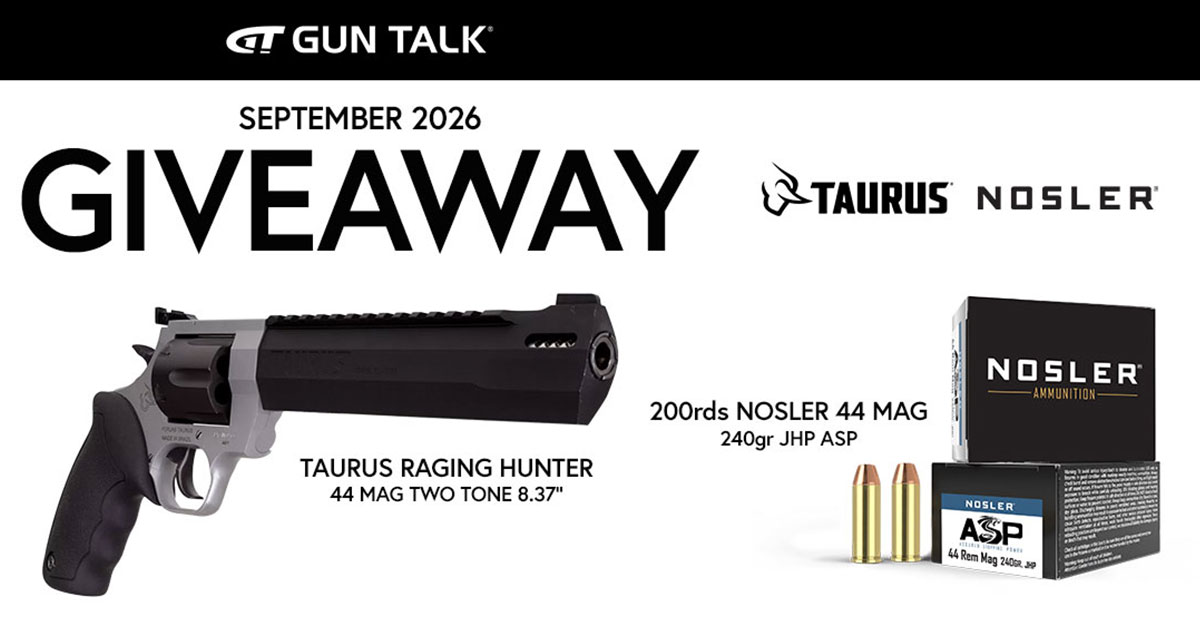
Gun Talk Giveaway
One lucky winner will bring home:
Open to U.S. residents 21+ only. Void where prohibited.

