May 12, 2026
The definitive reference for defensive shooters, trainers, and buyers — covering every major pistol weapon-mounted light, rail system, pistol compatibility matrix, and buying decision framework on the market.
The statistics are stark: roughly 80% of defensive shooting incidents occur in low-light or no-light conditions, or involve a significant low-light component. A firearm without a light in those conditions is a half-equipped tool. The ability to positively identify a threat — to determine whether the person in the hallway is an armed intruder or a family member — is not optional. It is the foundational requirement of any defensive use of a firearm.
A weapon-mounted light solves this problem by keeping the light indexed to the muzzle. When you present the pistol toward a potential threat, the light is already pointing in the right direction. You maintain a two-handed grip, your trigger finger is indexed where it needs to be, and you have full illumination at threat distance. This is operationally superior to any handheld-light technique for single-handed or two-handed defensive applications, though a handheld light remains an important secondary tool for searching and navigating without a weapon pointed.
For home defense, a WML is arguably more critical than any other pistol accessory. For concealed carry, it is increasingly standard among serious defensive carriers. For law enforcement duty use, it has been required equipment for decades.
A single-function WML producing white LED illumination. The most common, most proven, and most holster-compatible type. They range from compact 100-lumen carry lights to 1,000+ lumen duty lights with high-candela throw. For most defensive applications, a quality dedicated white light is the right choice.
Examples: SureFire X300U, Streamlight TLR-7, Olight PL-Pro, Cloud Defensive EPL
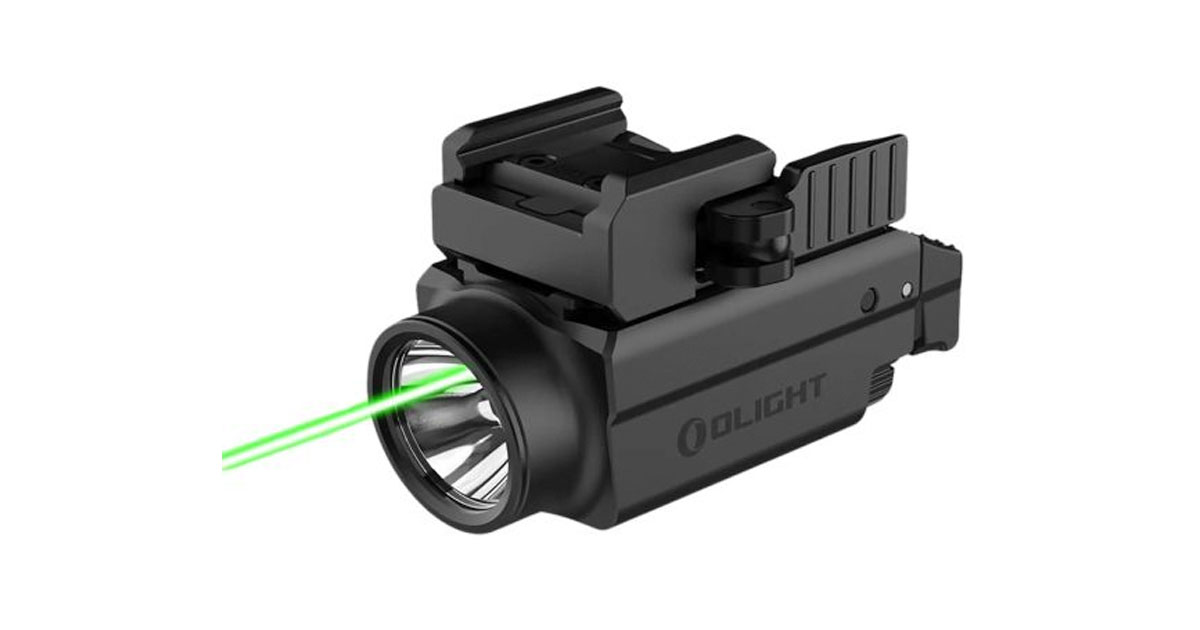
A WML integrating a white LED and a visible laser (red or green) in one unit. Useful for rapid target acquisition in non-standard shooting positions — shooting from cover, from the ground, or one-handed. The trade-off is increased size, complexity, additional activation controls, and often reduced raw lumen output. All lasers require periodic zero verification.
Examples: Streamlight TLR-8, SureFire X400, Olight Baldr, Nightstick TWM-30G
Lights that clamp to the trigger guard or grip frame rather than the accessory rail. These allow light mounting on pistols with no rail at all. Output is generally modest (100–400 lumens). The Streamlight TLR-6 is the dominant product in this space.
Examples: Streamlight TLR-6, Viridian E-Series
Designed for use with night vision devices. Pairs a white LED with an IR laser pointer and/or IR illuminator. Primarily for LE, military, and serious civilian NV users. For civilian shooters not running night vision, IR capability adds cost and complexity with no practical benefit.
Examples: SureFire X400U-A-IRD, Streamlight TLR-VIR II
WML (Weapon-Mounted Light) — A flashlight or illumination device designed to be mounted on a firearm's accessory rail. Also called a "gun light," "rail light," or "tactical light."
Lumens — Total amount of light emitted in all directions. Higher lumens = more total output, better peripheral spill, stronger close-range area illumination. Lumens alone do not tell you how far the light throws.
Candela — Luminous intensity in a specific direction — how concentrated the beam's hotspot is. High candela = tight, focused beam that throws farther. For target identification at distance, candela matters more than lumens. This is the single most misunderstood specification in the WML market.
Beam Profile — Flood = wide, even spread for close-range. Throw = tight, intense hotspot for distance. Balanced = usable hotspot with sufficient peripheral spill.
MIL-STD-1913 / Picatinny Rail — The U.S. military standardized accessory rail. Features a flattened-T profile with cross-slots at 0.394-inch spacing. Most common rail type on full-size and compact pistols.
Glock Accessory Rail — Glock's proprietary rail on most full-size/compact Glock pistols. Similar to Picatinny but not identical. Most WML manufacturers include a Glock-specific key.
Proprietary Rail — A manufacturer-specific rail not conforming to 1913 or Glock dimensions. The SIG P365 rail, Glock 43X/48 slim rail, and Springfield Hellcat rail are examples. Requires dedicated lights.
Rail Key / Locating Key — Small interchangeable inserts that fill the rear slot of a WML's mounting clamp, allowing the light to fit various rail widths.
Momentary Activation — Light activates only while the switch is depressed. Used for brief illumination without committing to constant-on.
Constant-On — Light stays on after switch is pressed until pressed again.
IPX7 — Water resistance rating meaning submersion to 1 meter for 30 minutes. Most duty-grade WMLs meet this standard.
Photonic Barrier — A competing light source (streetlights, car headlights) that can overwhelm your beam at distance. High-candela lights defeat photonic barriers more effectively.
Positive Target Identification (PID) — Visually confirming whether a target is a threat. The foundational reason a WML exists. You must identify before you engage.
Lumen counts dominate product listings, but candela is what determines real-world performance. The simplest way to understand it: lumens measure total light output — like the wattage of a light bulb. Candela measures how tightly that light is focused — like the difference between a light bulb and a spotlight.
A light with 1,000 lumens and 11,000 candela (the SureFire X300U-B) produces the same total light as a light with 1,000 lumens and 20,000 candela (the Streamlight TLR-1 HL), but the TLR-1 HL concentrates that light into a tighter beam that illuminates targets significantly farther out.
Here's how the major lights compare:
The SureFire X300 Turbo has less than two-thirds the lumens of the X300U-B but nearly six times the candela. At 25 feet inside a home, the X300U-B fills the room. At a parking lot threat at 60 yards, the Turbo dominates completely.
Minimum thresholds: For interior defensive carry — 500 lumens / 5,000+ candela is adequate. For outdoor or unknown-environment use — aim for 1,000+ lumens and 15,000+ candela.
Understanding which rail your pistol has is the single most important step in WML selection. Getting this wrong means a light that won't mount, won't lock up, or creates a dangerous loose connection under recoil.
The military standard — "1913 rail" or "Pic rail." Cross-slots at 0.394-inch spacing. Found on the vast majority of full-size and compact pistols. Nearly every WML manufacturer produces lights natively compatible with this standard.
Pistols with standard 1913: Glock 17, 19, 22, 23, 34, 45, 47 (most full/compact variants), SIG P320 (all), SIG P226/P229 (newer variants), S&W M&P 2.0, Walther PDP, CZ P-10, Springfield Hellcat Pro, Springfield Echelon, Beretta APX, HK VP9, Canik TP9, Ruger Security-9, FN 509, and most full-size service pistols.
Glock's proprietary rail on double-stack Glock frames. Similar to 1913 but not identical. Most quality WMLs include a "Glock key" or "Universal key" that interfaces with this rail. SureFire's Universal Rail Mount is specifically designed for it. Effectively as well-supported as the 1913 standard for holster and light compatibility.
The Glock 43X and G48 use a shorter, narrower proprietary rail incompatible with standard-size WMLs. Specific "Glock slim" versions of lights are required. The FN Reflex uses the same slim rail.
Pistols using this format: Glock 43X MOS, Glock 43X Rail, Glock 48 MOS, Glock 48 Rail, FN Reflex
The SIG P365, P365X, and P365XL use a proprietary rail with a closed rear end and no cross-slot compatibility with standard keys. One of the most common sources of WML buyer frustration. Purpose-built lights are required. The P365 XMacro, P365 Fuse, and P365 AXG Legion use a standard 1913 Picatinny rail, dramatically expanding options.
Proprietary rail: P365, P365X, P365XL (standard variants) | Standard 1913: P365 XMacro, P365 Fuse, P365 AXG Legion
The Hellcat and Hellcat OSP use a proprietary rail different from 1913. Springfield Armory-specific WML versions are required. The Hellcat Pro uses a standard 1913 rail.
Proprietary: Hellcat, Hellcat OSP | Standard 1913: Hellcat Pro, Hellcat RDP
Many older pistols and some subcompact designs have no accessory rail. Options: trigger guard clip lights (Streamlight TLR-6), dovetail-mounted laser systems, or Picatinny rail adapters for some dovetail patterns.
Common no-rail pistols: Glock 42, Glock 43 (pre-rail variants), most revolvers, many 1911 variants without rail, Ruger LCP, S&W J-frame
Designed for full-size and compact pistols with standard MIL-STD-1913 or Glock accessory rails.
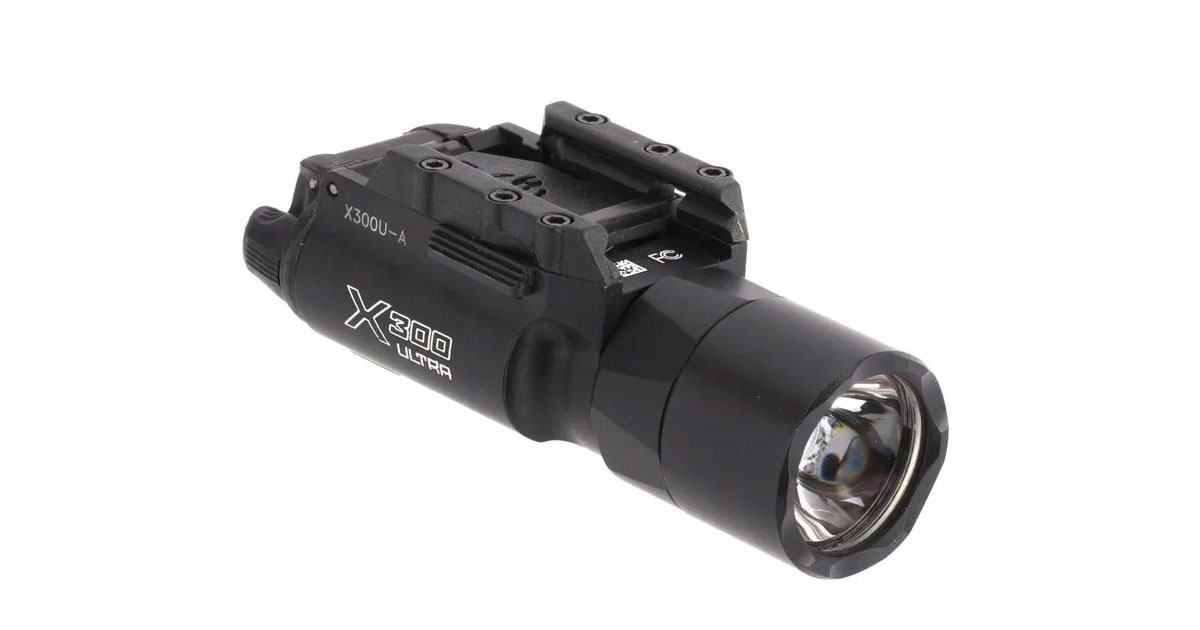
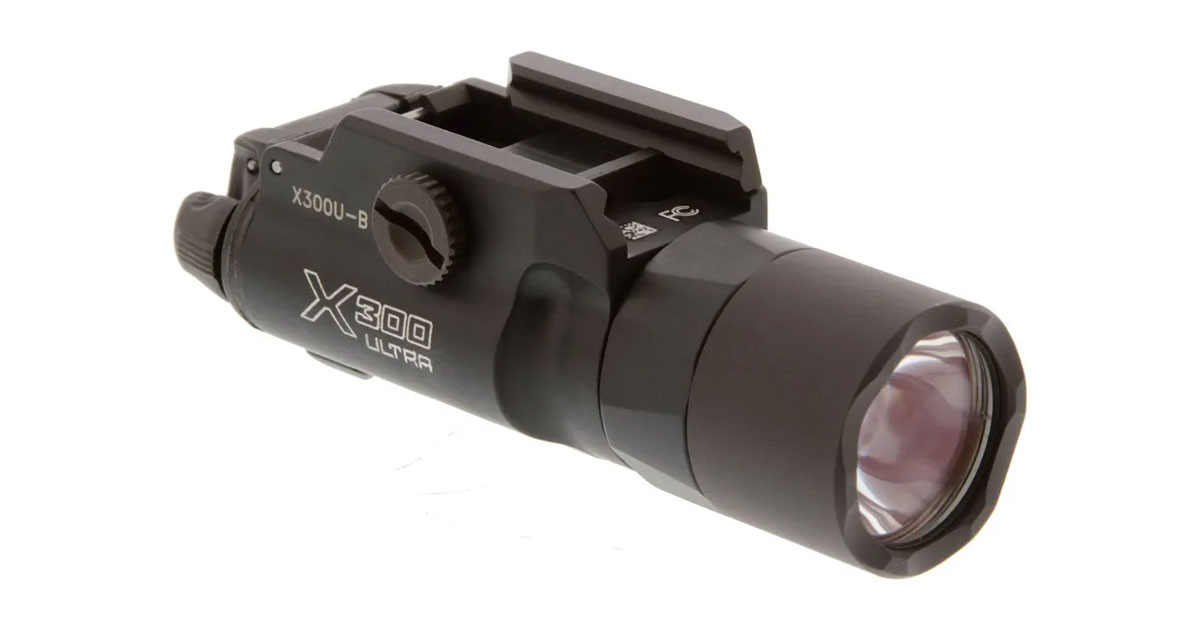
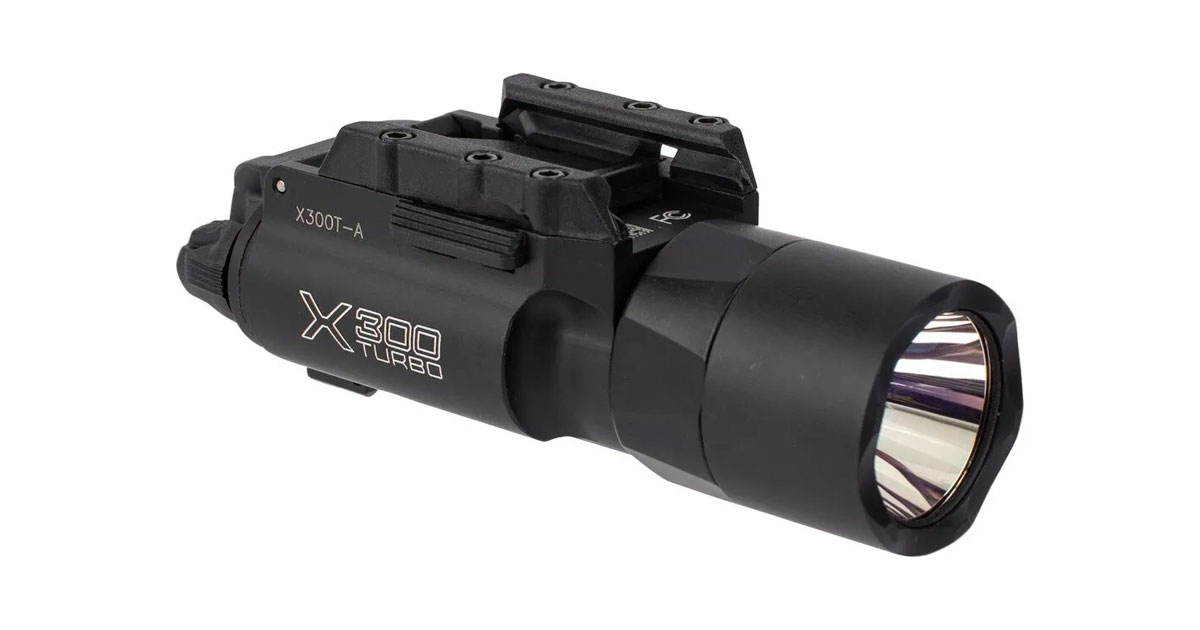


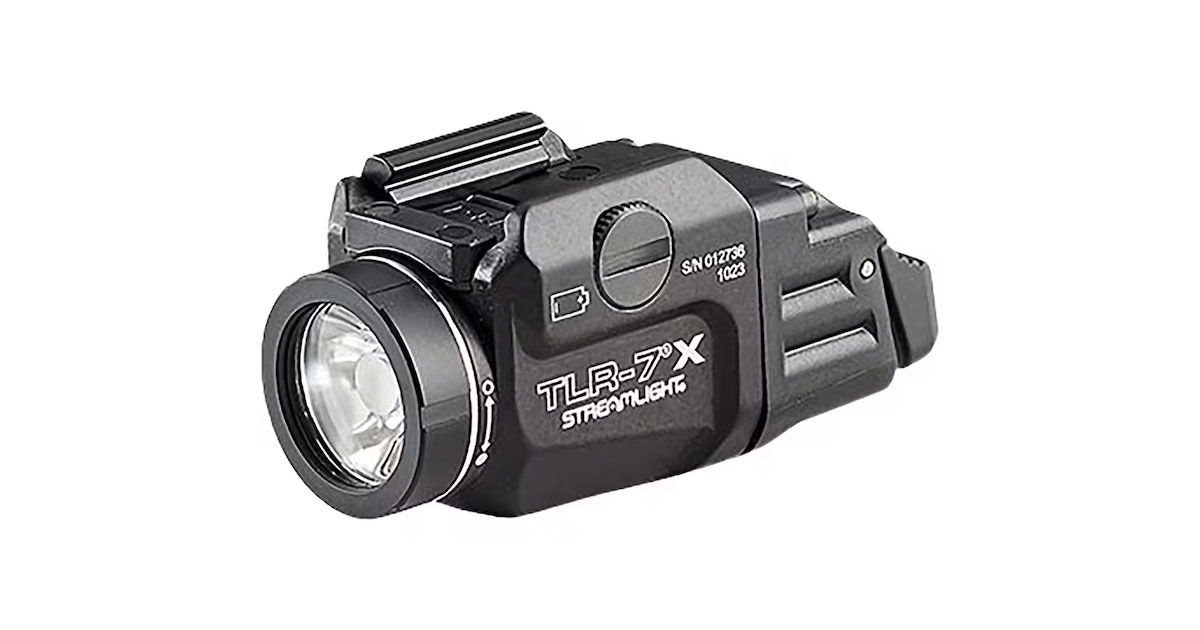

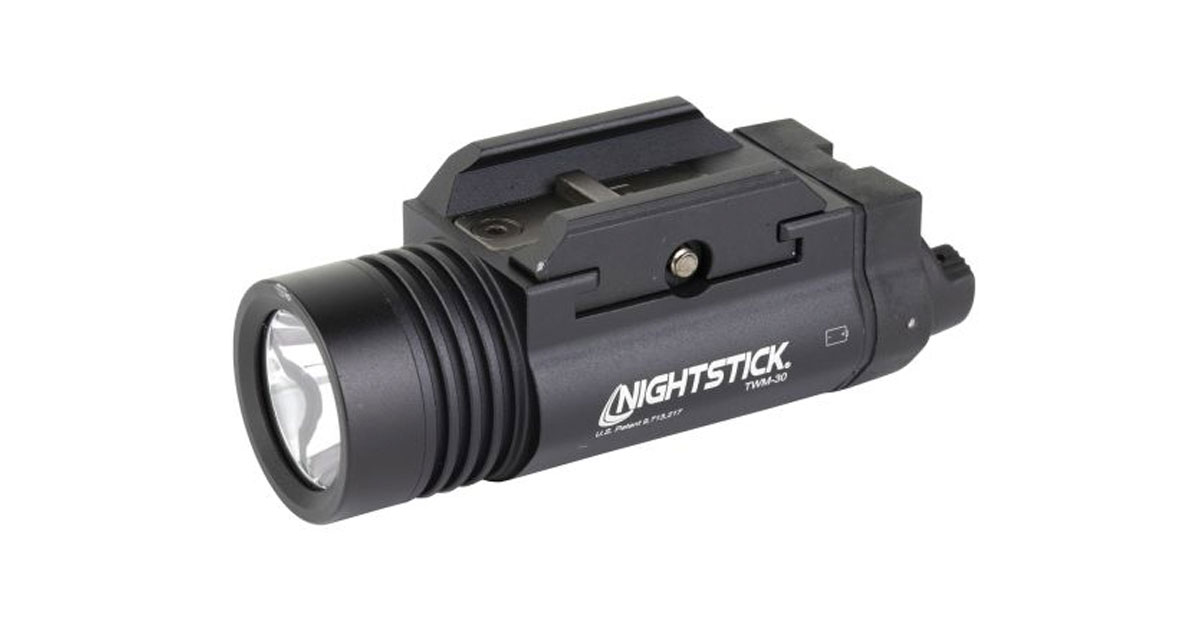


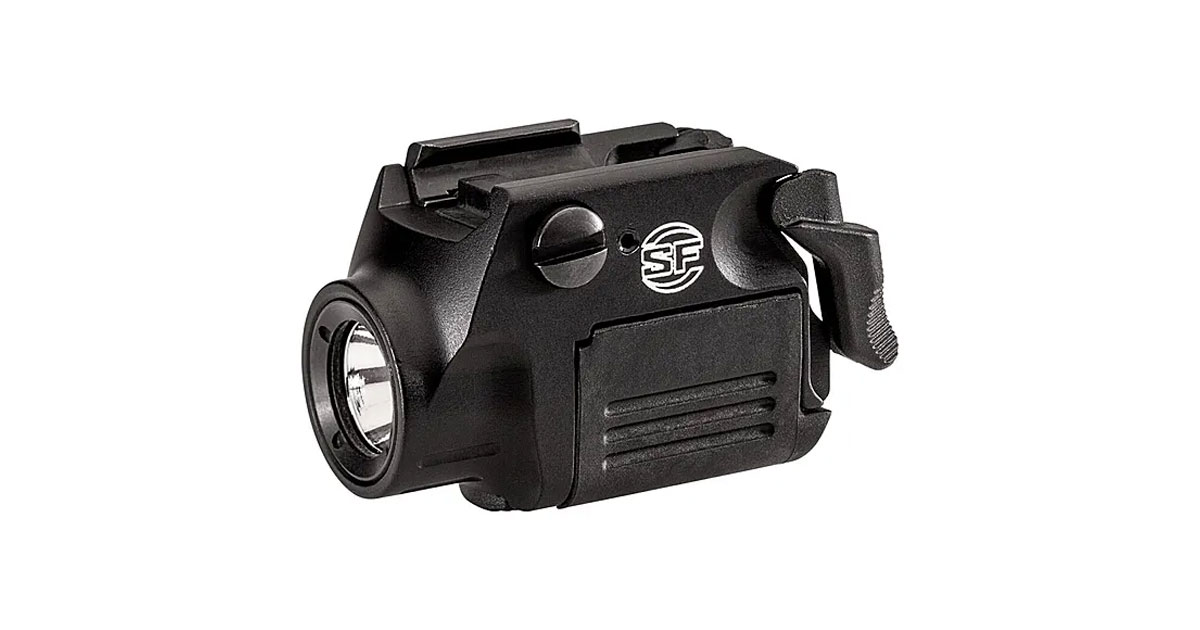
Designed for Glock 19-class pistols with standard Picatinny or Glock rails. Balance output with a profile small enough for concealed carry holsters.
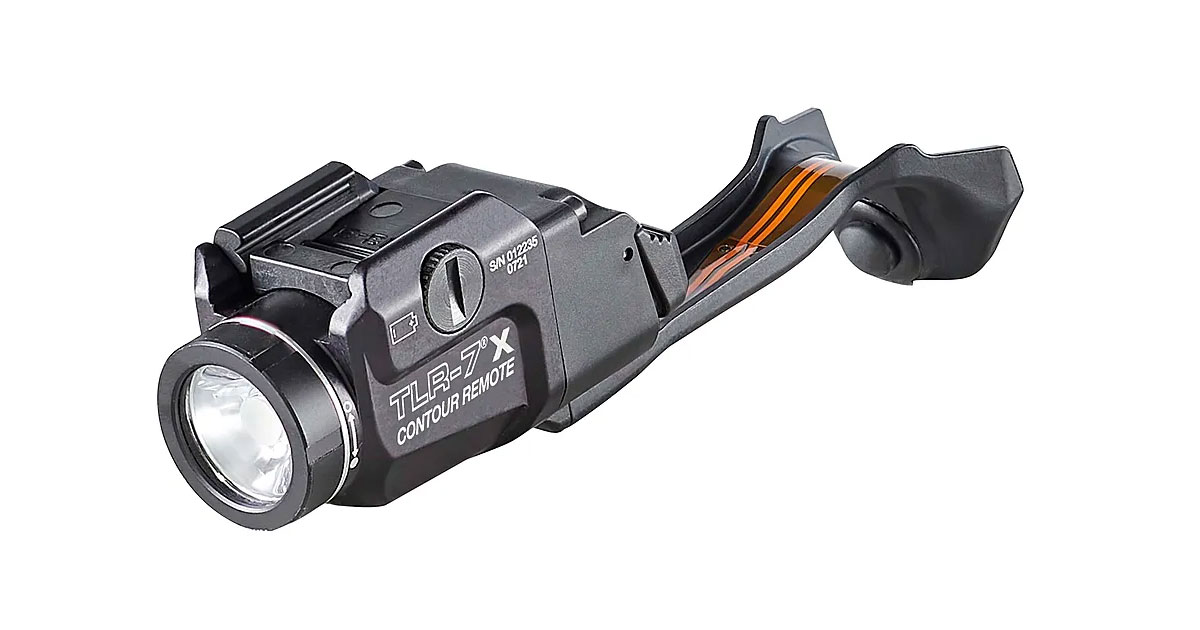


This is the most important category to understand because the wrong light simply will not fit. Each entry specifies exactly which rail variants are supported. The SIG P365, Springfield Hellcat, and Glock 43X/48 all have different proprietary rails — they are not interchangeable.


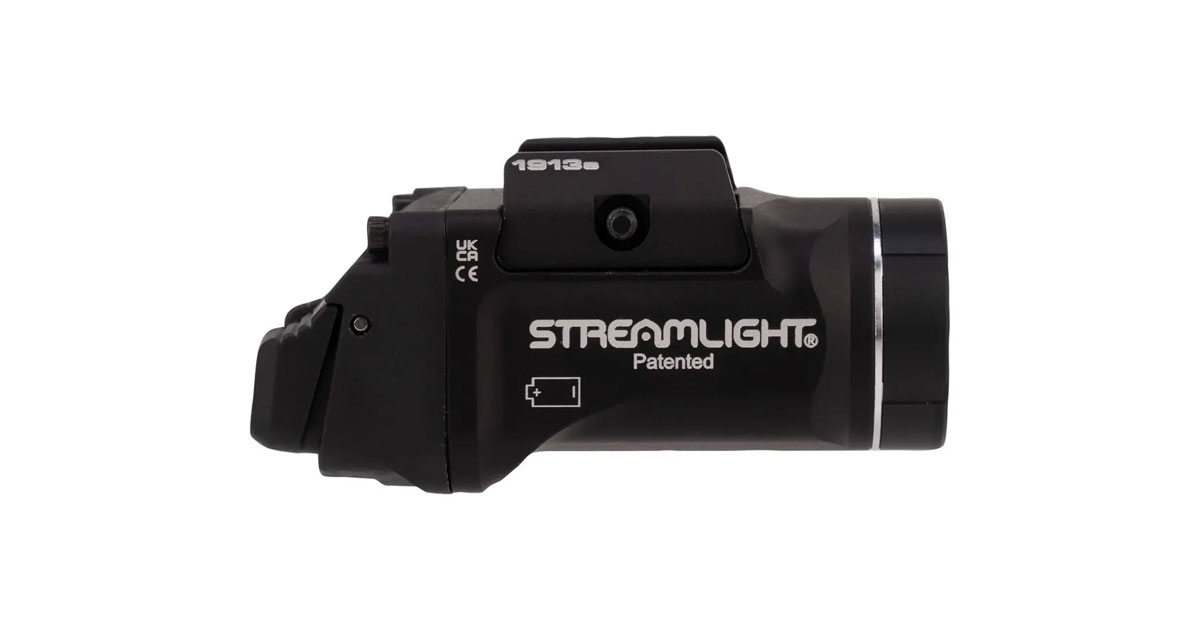


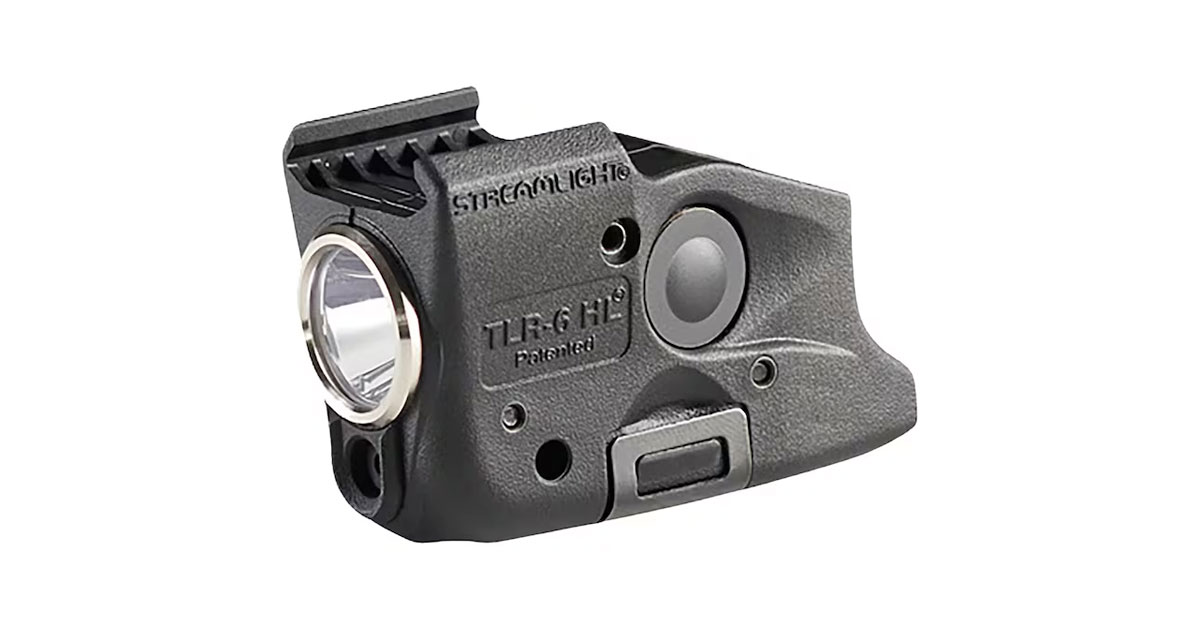


Appropriate when rapid target acquisition from non-standard positions is a priority. Green lasers are easier to see in daylight; red lasers are more economical. All lasers require periodic zero verification. Most combo units produce less raw lumen output than a dedicated light of the same size and price.



For duty use, law enforcement, and serious civilian defensive applications where maximum performance is non-negotiable. These lights push output, candela, and durability beyond the mainstream market.
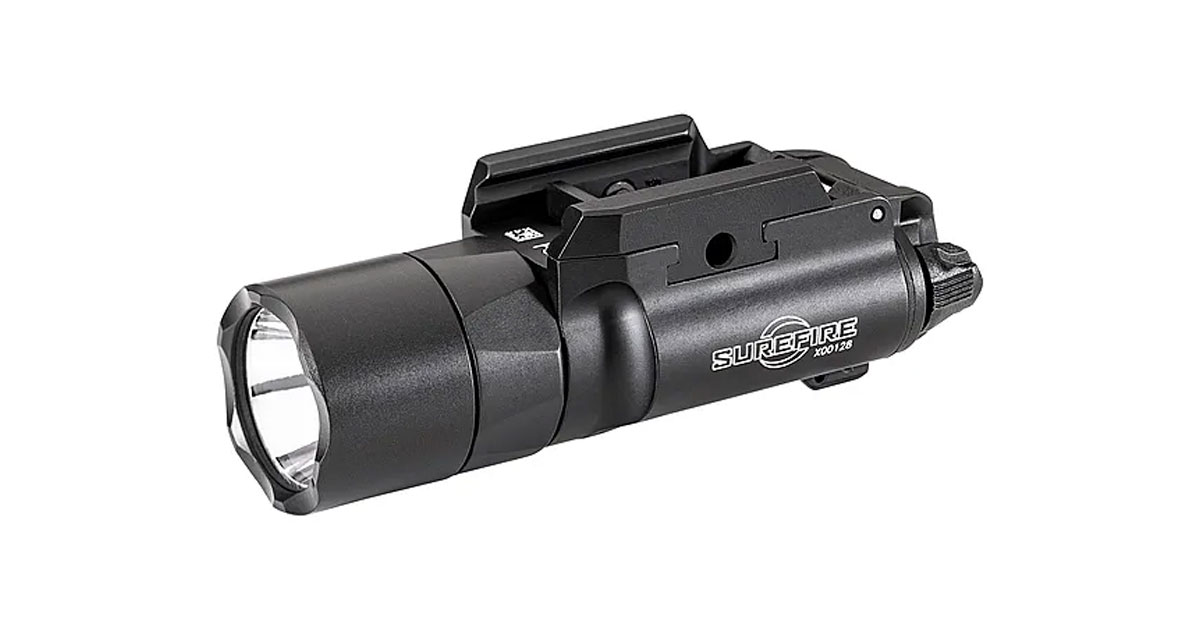


Two paddles extend from the rear of the light on either side. Pressing either paddle inward activates the light. Most offer momentary (press and hold) and constant-on (full press to lock). The SureFire X300 and Streamlight TLR-7 series use this design. Works equally well from either side, with most firing grips, and with gloves.
Single push-button or dual buttons for on/off and momentary. Can be less ambidextrous but work well for shooters with a thumbs-forward grip where the thumb naturally contacts the light's controls.
The SIG FOXTROT365XR places the activation switch on the grip module rather than the light body. This integrates activation into the natural firing grip but limits compatibility to specific grip/light combinations and platform-specific holsters.
Viridian's ECR system automatically activates the laser/light the instant the pistol is drawn from a compatible ECR holster. Genuinely useful for defensive carry — the light is on the moment you have the gun in hand. Requires purpose-built ECR holsters from Viridian's holster partners.
Long shelf life (10+ years), excellent cold-weather performance, widely available worldwide, proven reliability. The trade-off is ongoing cost of disposable single-use cells. Most duty-grade lights use one or two CR123A cells. Key rule: Replace CR123A batteries in your carry gun every 12 months regardless of use — don't wait for them to die.
The 18350 cell (18mm × 35mm) is the standard for premium high-candela pistol lights including the Cloud Defensive EPL and Modlite PL350. Delivers significantly more current than CR123A, enabling 50,000+ candela outputs. Rechargeable via USB-C. Runtime typically 60–90 minutes at maximum output.
Many newer lights (Streamlight TLR-7 X USB, TLR-7 A USB, Nightstick TCM series) integrate a rechargeable cell with a direct USB-C port. Extremely convenient for carry guns that get regular range use, eliminating battery replacement expense. For duty use, maintaining a rotation of fully charged lights remains prudent.
Some manufacturers use proprietary battery formats — Olight uses magnetic charging contacts on the light base; SureFire's XSC uses an integrated lithium polymer pack. These work well but you cannot substitute standard batteries in the field if you run out of charge.
The SureFire XC1-B is notable for running on a single AAA battery — available anywhere in the world, including internationally. Extremely convenient for travel and as a backup light option.
Holster compatibility is the most frequently overlooked consideration when selecting a WML — and it generates more buyer frustration than any other WML-related issue. The pistol/light combination together determines what holsters are available, not the pistol or the light alone.
The fundamental reality: A holster designed for a Glock 19 with an X300 will not fit a Glock 19 with a TLR-7, even though both lights are similarly sized. Light-bearing holsters index retention on the specific light's profile, not just the pistol.
The SureFire X300U-A/B has the broadest light-bearing holster support of any WML on the market — Safariland ALS/SLS duty holsters, virtually every Kydex maker, and competition holsters all support the X300 footprint. If you need maximum holster options, this is the starting point.
The Streamlight TLR-7 A and TLR-1 HL are the second-most-supported lights for Kydex holster availability, particularly for concealed carry. PHLster, Henry Holsters, Tenicor, JM Custom Kydex, and most other appendix carry specialists prioritize these lights.
For slim-rail pistols, the Streamlight TLR-7 Sub (in its SIG, Glock, and SA variants) has the widest holster ecosystem in the subcompact category.
General guidance: Choose your holster maker first, then verify which light combinations they support before purchasing the light. Do not buy a light and then search for a holster — you may find very limited options for your specific pistol/light combination.
Home defense inside a structure? Defensive carry in mixed environments? Duty/LE use outdoors? The answer determines whether you need a close-range flood light, a high-candela throw light, or a balanced performer. Most civilian defensive carry applications are well-served by 500 lumens / 5,000+ candela.
Confirm your pistol's exact rail format before purchasing anything. Slim-rail pistols (P365, G43X, Hellcat) are frequently paired with a standard Picatinny light that simply won't mount. See Section 5 for the complete rail guide.
Before buying a less common light, confirm your holster maker supports that specific pistol/light combination. This is especially critical for concealed carry where holster fit is essential for safety and consistency.
500 lumens / 5,000 candela for interior defensive carry. 1,000 lumens / 15,000+ candela for outdoor or mixed use. Premium lights (EPL, Modlite PL350, X300 Turbo) serve duty and outdoor users needing PID beyond 25 yards.
Handle the light before purchasing if possible. The switch must be reachable from your natural firing grip without shifting your hand. Test with both hands, and with gloves if you regularly carry or work in cold weather.
A loose WML is worse than no WML — it creates false confidence and can shift zero under recoil. Apply the manufacturer's specified torque to mounting screws and use blue Loctite or a paint-pen witness mark across the screw and light body to confirm nothing is backing out.
For indoor home defense, 500 lumens is adequate and provides enough output to blind a dark-adapted attacker while clearly illuminating the threat. For outdoor use, 1,000 lumens is a meaningful step up. Raw lumens matter less than beam profile — a 500-lumen light with 15,000 candela will outperform a 1,000-lumen light with 5,000 candela at any distance beyond 20 feet.
Identical output (1,000 lumens / 11,300 candela) from the same housing. The A-mount uses a quick-release lever for fast tool-free removal — practical for lights that move between platforms. The B-mount uses a screw clamp providing a tighter, more secure connection under sustained recoil — preferred for duty guns that stay light-equipped.
No. Only the purpose-built TLR-7 Sub (SIG version) fits the standard P365, P365X, and P365XL. A standard TLR-7 A with Picatinny or Glock keys will NOT mount to the P365's proprietary rail. The P365 XMacro accepts the standard TLR-7 A without issues since it has a true 1913 rail.
300 lumens is the threshold below which a WML becomes questionable for serious defensive use in anything other than very close-range indoor scenarios. For primary defensive use, 500 lumens is the practical minimum most instructors recommend.
Not for most users. Green lasers are easier to see in daylight and can be useful from non-standard positions. However, visible lasers require regular zeroing, add complexity, and add cost. For most defensive applications, a high-quality white light alone is more reliable and practical. If you pursue a combo unit, train with both the light and the laser extensively before carrying it.
Almost certainly not. Light-bearing holsters are molded to the specific pistol/light combination. A holster made for a pistol without a light will not accommodate a light-equipped pistol safely. You need a light-bearing holster designed for your exact pistol/WML combination.
A competing light source — streetlights, car headlights, interior overhead lighting — that can compete with or overwhelm your beam at distance. Low-candela lights can be washed out by opposing light sources. High-candela lights with intense hotspots (SureFire Turbo, Cloud Defensive EPL, Modlite PL350) defeat photonic barriers more effectively. This matters primarily for outdoor use.
Yes — and you should. Mounting your WML during dry-fire practice ensures your draw, grip, and activation technique are built around the actual equipment weight and controls you'll use in a real situation. The light should not activate during a normal firing grip — if it does, adjust your grip or evaluate whether that switch design is compatible with your natural hold.
Verify you're using the correct rail key for your pistol's rail type and that it is seated fully. Apply the manufacturer's specified torque to the mounting screw. Add a drop of blue Loctite (not red) and a witness mark across the screw and light body. If the light continues to shift, upgrade to a light with a more robust clamping system.
Last updated: April 2026. The WML market evolves continuously; verify specific compatibility with the manufacturer or retailer before purchase. Output specifications reflect manufacturer claims; real-world measurements may vary. MSRP figures are approximate and subject to change.
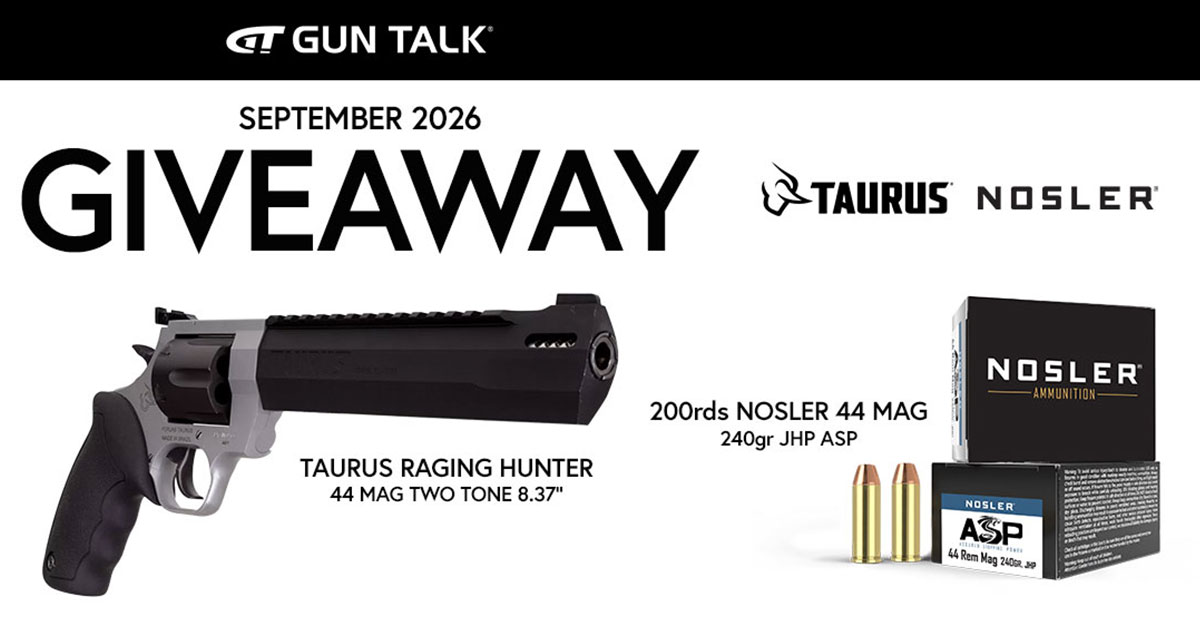
Gun Talk Giveaway
One lucky winner will bring home:
Open to U.S. residents 21+ only. Void where prohibited.