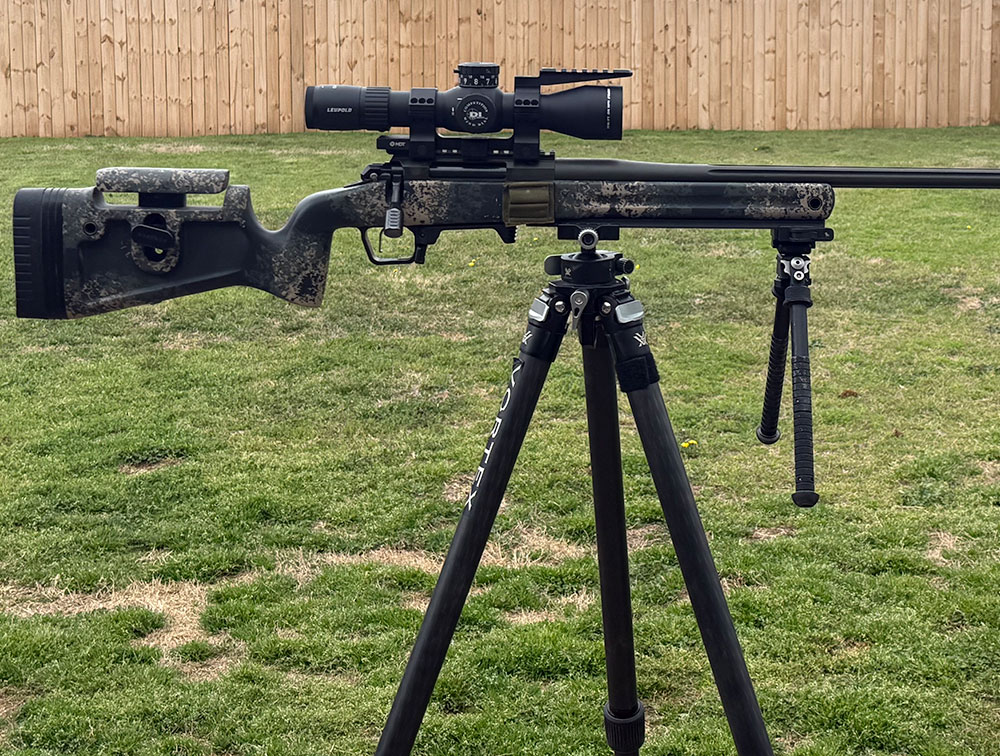
April 8, 2026
The Leupold Mark 5HD 3.6–18x44 fills a very specific niche: a compact, dial-capable precision optic that avoids the bulk of 5–25x and 7–35x scopes while still delivering serious long-range performance. For shooters who want real tracking, usable magnification, and high-end glass without excessive weight, this model makes a strong case.
The 3.6–18x44 configuration is particularly appealing for:
This review focuses on the M5C3 turret system, which is Leupold’s exposed dialing system offering three revolutions of adjustment.
The key takeaway here: this is not a scaled-down “budget” optic. It’s a serious mechanical system in a smaller envelope.
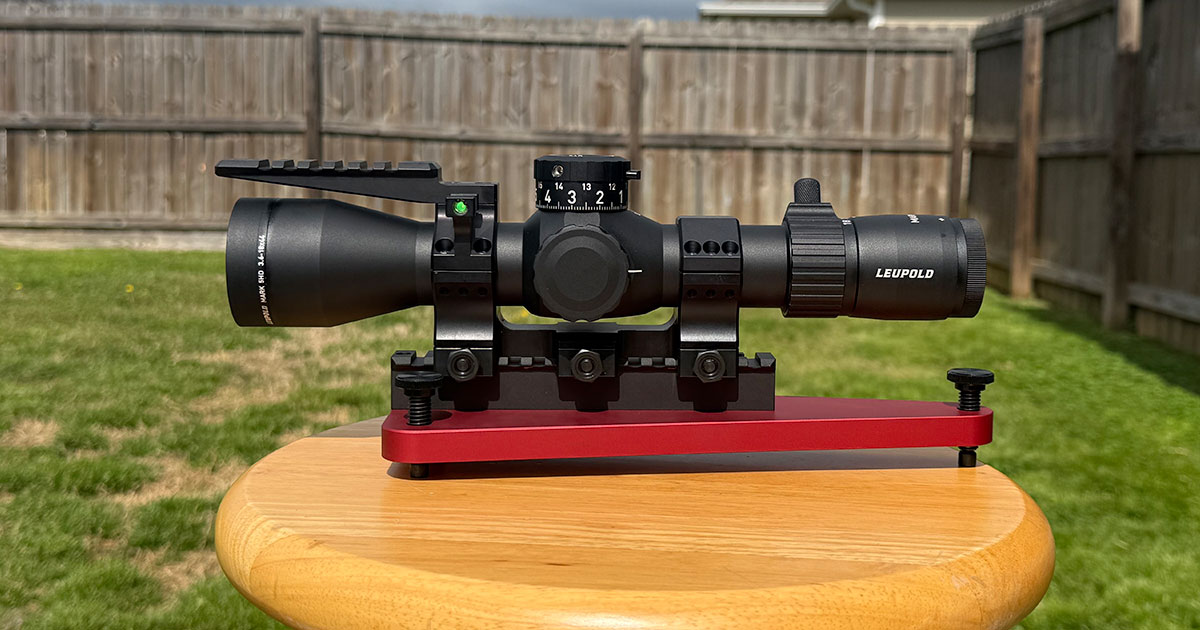
The first thing that stands out about the 3.6–18x44 is how compact it feels compared to larger Mark 5HD models. Mounted on a rifle, it doesn’t overwhelm the platform. On a gas gun or hunting rifle, that matters.
Despite the smaller size:
Magnification Ring:
The zoom ring has firm, deliberate resistance. It stays put under recoil and movement. The magnification quick throw lever is the perfect size. Allowing the shooter to run his thumb or index finger to manipulate the lever, without coming off the glass.
Parallax Knob:
Side focus is smooth and precise. Parallax adjustment feels controlled rather than loose. The markings are usable as references but final focus still requires fine tuning (as expected).
Turrets (M5C3):
This is where this optic differentiates itself.
The M5C3 turrets are:
Each click feels distinct. There’s no ambiguity about whether a click registered.
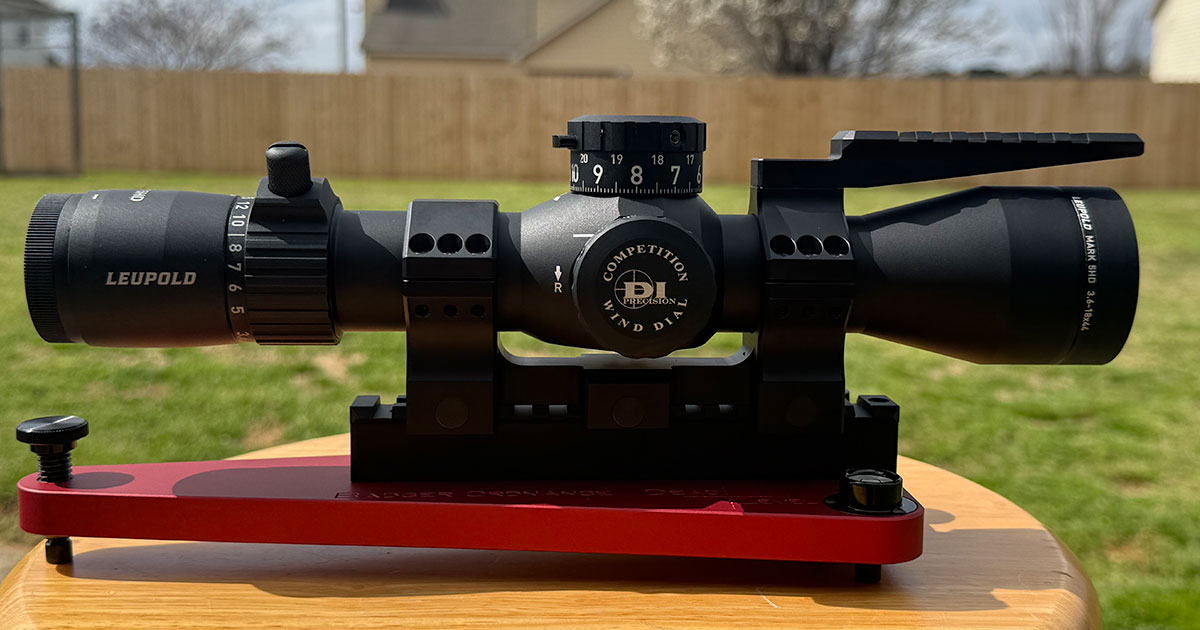
I swapped the M5C3 turret for the MK5 speed dial turret. The numbers are larger and not as busy of a turret as the M5C3.
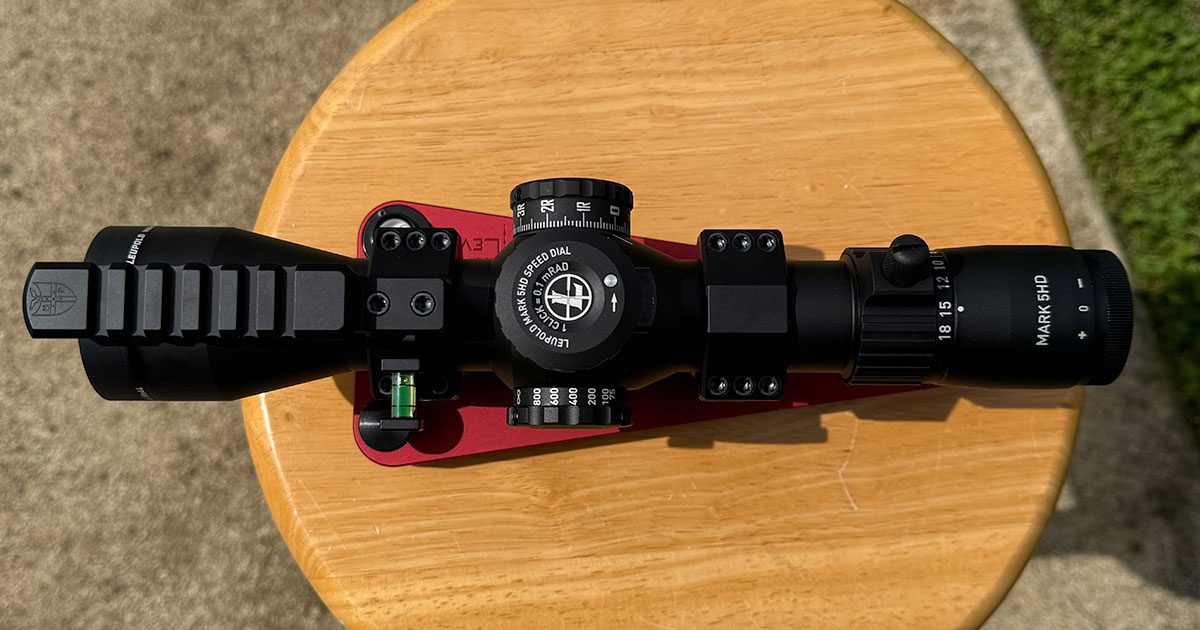
The MK5 Glass quality is on par with the competition. I have looked through all the big names. The MK5 stands up to all scopes in its class. The picture and image quality that the optical system produces for the user is on par with the competition.
Unlike 5–25x scopes that tempt you into living at max power, the 3.6–18x44 feels optimized for the magnification range shooters realistically use.
Between 8x and 15x, the image is exceptionally clean:
18x is very usable, but like any optic, atmospheric conditions will dictate practicality. When shooting out to 1000 yards I rarely shoot on any mag past 12X. The reticle bounce I receive past that really messes with my eyes. The 15 -18X is nice for target detection and identification. Especially in NRL matches where terrain is being used to obscure targets.
Center resolution is excellent. Fine target details—bullet holes, steel edges, splash—are easy to resolve in good conditions.
Edge clarity is strong. You don’t get heavy falloff or distortion near the edges.
The Mark 5HD line is known for high contrast, and this model carries that forward. Targets separate cleanly from background clutter. Dirt, brush, steel, and paper targets don’t blur into the environment.
Color reproduction is neutral—neither warm nor overly cool.
The 44mm objective performs well for its size. While it won’t compete with a 56mm objective at extreme dusk, it punches above its weight.
In realistic field light:
For a scope this compact, low-light performance is impressive.
The M5C3 turrets provide:
Clicks are firm and deliberate. There’s no “mush” or hesitation.
This scope is meant to be dialed.
When running elevation:
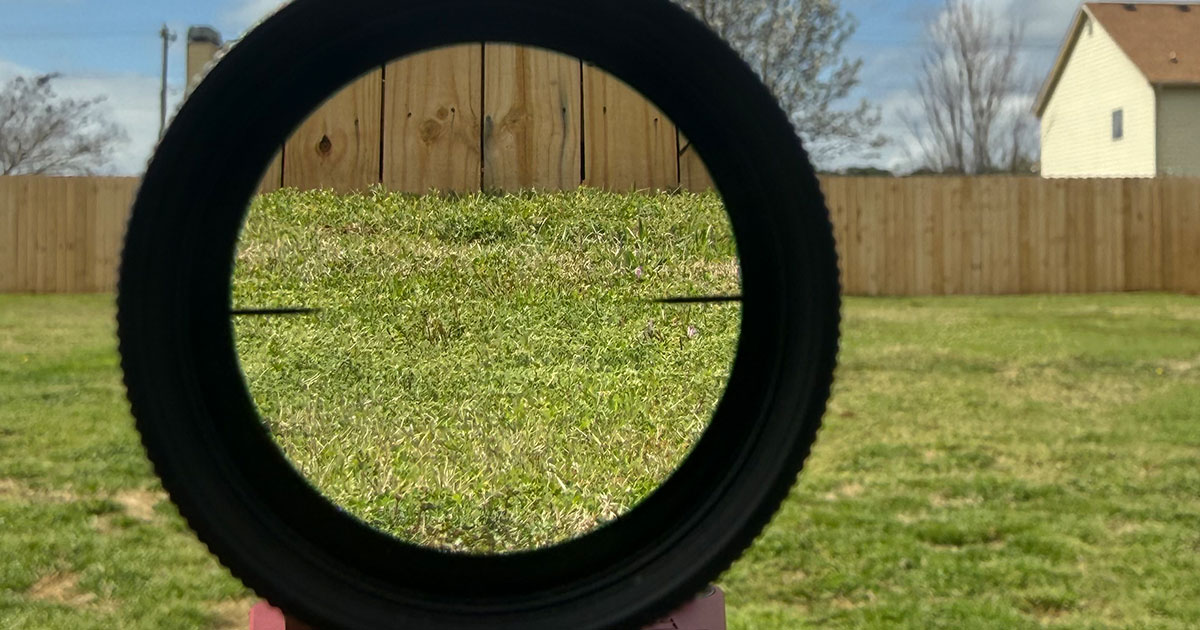
Windage turret is capped on this model I swapped mine for the DI Precision competition windage dial. (Refer to above Picture). Capped windage is great for hunting scenarios, where you are moving through rough terrain and the possibility of the windage turret being moved is high. In the competition world I like to have a dialable windage turret. Especially if you are shooting into high winds. This scope gives you the option with this additional turret if you choose to purchase one.
The zero-stop system is reliable and straightforward to use when zeroing. Move dial to adjustment needed. Once zeroed, slip turret and zero stop is set. Slipping the turret is simply removing it and returning it to the zero position on the exposed elevation dial. Replace, tighten down screws and confirm zero stop.
Once configured:
For shooters who dial frequently under time pressure, this matters.
Because the 3.6–18x44 is FFP, sub tensions remain accurate at all magnifications.
At lower magnification (3.6–6x):
Mid magnification is the sweet spot for most tree-style reticles.
At high magnification:
If you’re using a PR-style reticle (PR1, PR2, Tremor3, etc.), this scope pairs extremely well with dynamic hold shooting. The PR2 reticle is one of my many favorites. Its not overly complicated, numbers make sense and wind holds are fairly easy.
The 3.6–18x44 excels in:
It’s not:
Instead, it’s a highly capable, efficient precision optic. If you simply need one scope to do many things because of budget. This MK5 is a very good candidate.
The Leupold Mark 5HD 3.6–18x44 with M5C3 turrets is arguably one of the best “balanced” precision scopes available.
It offers:
For shooters who value performance over excess magnification, this optic makes a compelling argument.
If you need a do-everything precision scope that won’t dominate your rifle’s balance, the 3.6–18x44 may be the smartest option in the Mark 5HD lineup.
This is the first of 3 reviews that I will be doing on this model of the MK5. The next review will happen on the range this Sunday. The final review will be after the NRL Hunter match in Blakley GA. ~ Tom S.
Tom Stephenson
Born and raised in Abilene, Texas, Thomas Stephenson is a seasoned Airborne Infantryman with over 21 years of distinguished service in the United States Army. Throughout his military career, he completed five combat deployments and three operational deployments, earning a reputation for leadership, discipline, and unwavering commitment to mission success.
A lifelong marksman, Thomas began shooting rifles at the age of five, developing a deep respect for precision, safety, and technical skill from an early age. Outside of his military career, he is an avid hunter and outdoorsman, spending much of his time honing his fieldcraft and staying connected to the land.
His decades of experience—both in training environments and operational theaters—have shaped him into a highly capable expert in firearms proficiency, tactical operations, and team leadership.
Now residing in Alabama, Thomas brings the same level of dedication, adaptability, and mission‑focused mindset to every professional challenge he takes on today. His background reflects not only technical expertise but also resilience, integrity, and a proven ability to perform under pressure.



Gun Talk Giveaway
One lucky winner will bring home:
Open to U.S. residents 21+ only. Void where prohibited.