April 3, 2026
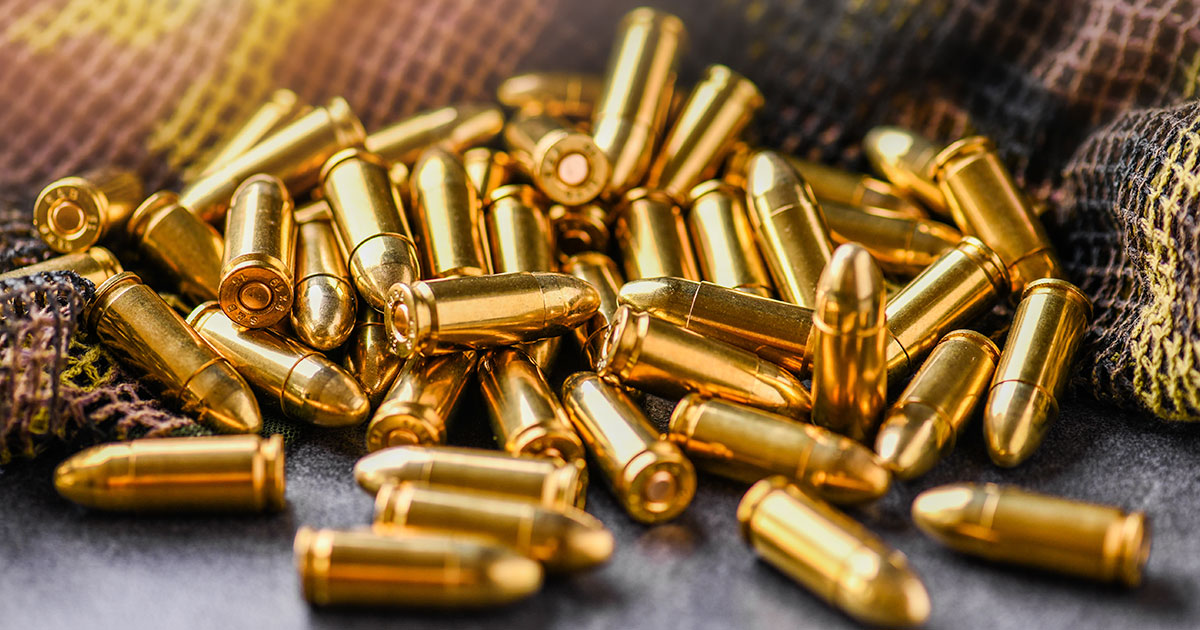
Factory-new ammunition is engineered to run across a wide range of firearms, but “factory” does not mean “perfect.” Modern production lines can still turn out occasional defects—most commonly dimensional irregularities, primer/ignition problems, and powder-charge anomalies—and the industry’s recall notices show that even well-known brands sometimes need to pull lots from circulation when a safety risk is identified.
A badly cut chamber in a 9mm pistol can create a second, often confusing layer of problems: ammunition that is within normal specifications may still fail to chamber, fail to return to battery, or extract poorly if the chamber is too tight, too rough, or has an improperly cut throat/leade. Chamber geometry matters because 9mm headspaces at the case mouth, so small chamber errors can produce big reliability and safety consequences.
This report focuses on identifying the most common factory-ammunition defect patterns and the failure modes driven primarily by chamber-cut problems, with a safety-first diagnostic workflow, practical (non-gunsmithing) checks, and clear “stop and escalate” criteria. It closes with evidence-based, non-misleading recommendations for purchasing reliable ammunition—because the cheapest ammo is rarely the cheapest range day once stoppages, damaged parts, and lost confidence are factored in.
Assumptions: no specific pistol model is provided, so guidance is generalized to mainstream 9mm pistols and commonly available factory ammunition; no budget constraint is provided, so recommendations include both value-focused training ammo and premium defensive loads across typical market price bands.
Even with strong quality systems, factory ammunition can fail in predictable ways. The key is understanding which problems are cosmetic and harmless versus functional or safety-relevant. Manufacturer and safety guidance consistently emphasize inspecting cartridges for damage/corrosion and discontinuing use when ammunition is compromised.
A useful reality check is the existence of formal safety notices and recalls for 9mm lots. For example, recall language commonly warns that abnormal ignition can leave a projectile lodged in the bore (“bullet-in-bore obstruction”), and firing another round behind it can cause catastrophic firearm damage and serious injury.
Dimensional out-of-spec case (slightly bulged base, thick rim/groove variance, malformed case mouth) | Tolerance stack, tooling wear, inconsistent sizing, brass variation | Failure to chamber; failure to return to battery; “tight” feel when manually chambering; round may stick during extraction if forced | Stop using that lot; segregate suspect rounds; compare with a chamber gauge and/or “plunk test” (described later); contact manufacturer if repeated in the same box/case
Primer defects (dead primer, contaminated primer, shallow/deep seating) | Primer seating error; contamination from oils/solvents; primer compound defect | Click/no bang; sometimes multiple strikes; inconsistent ignition | Follow hangfire protocol; set misfired rounds aside; do not re-chamber repeatedly; remove ammo from service if exposed to oils/sprays as manufacturer guidance warns
Powder charge anomalies (undercharge → squib; inconsistent burn) | Metering error; powder contamination; ignition/propellant defect | Pop/no kick; weak report; failure to cycle; bullet may lodge in bore; next shot becomes extremely dangerous | Cease fire immediately; unload; check bore for obstruction; seek qualified help if obstructed (range armorer/gunsmith)
Overpressure or abnormal pressure signs (rare but high-consequence) | Charge error; wrong powder; severe setback; extreme lot anomaly Unusually sharp recoil/blast; flattened/flowed primers; stiff extraction; case bulge; possible damage | Stop firing; preserve fired cases and remaining rounds for manufacturer; do not “test” more rounds from that lot
Insufficient neck tension/crimp; rough feed path; repeated chambering of same round
Round measures shorter; can increase pressure in small-volume pistol cases; may cause chambering issues if profile changes | Do not repeatedly chamber the same carry round; inspect for measurable shortening; replace carry ammo periodically; choose reputable duty-grade loads
Physical damage/corrosion (dents, crushed case mouth, corrosion, contamination) | Rough handling; poor storage; exposure to lubricants | Feeding failures; misfires; erratic performance | Manufacturer guidance commonly recommends removing such ammo from service; buy from reputable sources and store properly
Two takeaways matter most operationally:
First, squib-risk cues (weak report/recoil) are not negotiable—stop immediately and confirm the bore is clear.
Second, dimensional problems often look like “my gun is broken,” because the gun simply refuses to chamber or return fully into battery. That overlap is exactly where chamber-cut issues also live—so the diagnostic section later is designed to separate “ammo bad” from “chamber bad” without guesswork.
A pistol’s chamber is not just a hole; it is a set of precise surfaces that control how the cartridge seats, headspaces, seals pressure, and releases for extraction. In the U.S. commercial ecosystem, chamber and cartridge geometry is standardized through voluntary industry standards and drawings intended to support safety and interchangeability.
For 9mm (nine by nineteen), a critical concept is headspacing on the case mouth: the forward movement of a rimless pistol cartridge is typically stopped when the case mouth contacts the cartridge seat at the forward edge of the chamber.
For general 9mm pistols (not model-specific), chamber-cut problems that most often drive malfunctions include:
A chamber cut too tight or too short. If the chamber is at (or below) minimum dimensions—or effectively smaller due to burrs, finish, or fouling—cartridges that are otherwise normal can fail to seat fully. The visible outcome is often a slide that stops just short of full lockup (“failure to return to battery”).
An improperly cut throat/leade. The throat is the transition area ahead of the chamber into rifling, and ammunition can fail to chamber if the projectile engages rifling too early (especially with certain bullet shapes). Industry guidance on the “plunk test” highlights exactly this: one of its common uses is determining whether a bullet is seated to fit the chamber throat without touching rifling.
Excessively rough chamber surfaces or reamer marks. Roughness can cause sticky extraction because expanded brass grips the chamber wall during firing, and tooling chatter/wear is a known manufacturing contributor to this phenomenon (even though not every “sticky extraction” is a chamber problem).
A sharp edge or burr at the chamber mouth. Burrs can shave brass, slow feeding, and create the same “last few millimeters won’t close” symptom as out-of-spec ammo.
Because most shooters interact with the system at the symptom level, many chamber issues look like ammunition faults:
That is why the best diagnostic approach is comparative: test multiple known-good ammo types, observe repeatability, and use safe chamber-fit checks.
The goal here is not “internet certainty.” It is risk reduction: identifying when the problem is likely ammunition (stop using that lot) versus likely firearm/chamber (stop shooting and consult a professional).
Weak report/low recoil / failure to cycle should trigger immediate squib awareness. If a projectile is stuck in the bore, firing again can be catastrophic.
Misfire or hangfire patterns across different ammo brands (especially with light/unusual primer indents) lean toward firearm factors such as strike energy; industry discussions of misfires commonly emphasize insufficient indent and mechanical causes.
A visible lot-level pattern (multiple failures from the same box/case) raises the probability of a manufacturing defect and is exactly why recalls identify specific lot numbers and symbols.
Failure to return to battery with otherwise “normal-looking” rounds, especially if the same rounds drop into a gauge but resist fully seating in the barrel, suggests chamber/throat mismatch.
The widely used “plunk test” is described in reputable firearms media as a method that can reveal whether the chamber is clean and whether the bullet is contacting rifling/throat geometry.
Hard extraction or torn rims can be overpressure, but it can also be friction from a rough/tight chamber. Shooter reports and industry commentary repeatedly point to chamber finish as one plausible driver of sticky extraction—though it’s not the only one.
Bullet marks consistent with early rifling contact (e.g., “land” marks on the projectile when extracting an unfired round) often indicate a short throat or ammunition profile mismatch. This is frequently reported by shooters using tighter “match” chambers, including aftermarket barrels.
Some aftermarket barrel makers emphasize that their chambers are SAAMI-spec but still require ammunition to adhere closely to specification; they also warn that ammo outside spec can create fit/function failures and may even affect warranty coverage.
This matters because a pistol with a tighter chamber can appear “ammo picky” even when ammo is within broad commercial norms—and it can also expose small ammo dimensional variations that a looser chamber would swallow.
Before any diagnostic step: follow your firearm’s manual and fundamental safety rules. Manufacturer manuals commonly instruct shooters to stop firing if an unusual sound occurs, unload, and verify the chamber and bore are clear because defective ammunition can obstruct the barrel.
If you suspect a hangfire (delayed ignition), keep the muzzle in a safe direction and follow a conservative wait-and-clear procedure consistent with range policy; published guidance notes that recommended wait times vary, so defer to your range SOP and manufacturer training.
Ammunition triage. Set aside the specific rounds that malfunctioned and any rounds from the same box that look different (shorter OAL, dented case mouth, corrosion). Manufacturer safety guidance supports removing damaged, corroded, or oil-exposed ammunition from service.
Recall check. If the malfunction resembles recall language (mis-ignition, squib-like behavior), verify lot numbers against manufacturer notices. This is not hypothetical: recall notices explicitly warn about projectiles remaining in the barrel due to ignition/propellant issues.
Chamber cleanliness check. Fouling can mimic a too-tight chamber; reputable “plunk test” guidance specifically warns that a dirty chamber can cause good rounds to fail the test.
Plunk test for fit. With the pistol unloaded and the barrel removed (if your design allows normal field stripping), the “plunk” behavior can help indicate whether the round freely seats and extracts under gravity—often highlighting throat contact or dimensional interference.
Safety note: use inert dummy rounds if available; if using live ammo, keep it pointed in a safe direction and avoid repeated chambering of the same cartridge.
Cross-ammo comparison. If two different reputable factory loads fail in the same way—and especially if the same chamber-fit resistance appears—likelihood shifts toward chamber/throat cut or finish.
Stop shooting and consult a qualified gunsmith (or the firearm manufacturer) if:
Chamber work (reaming, polishing, throat modification) is gunsmith territory. Attempting it without correct tooling and measurement can permanently change headspace/throat geometry and create unsafe conditions. Headspace is a critical dimension typically checked with proper gauges and competent technique.
Your most defensible standard is: factory-new ammo from reputable manufacturers, stored well, visually inspected, and verified against active recall notices. Manufacturer manuals commonly advise using factory-new ammunition made to recognized industry standards (SAAMI/CIP) and visually inspecting cartridges before loading.
Avoid the false economy of “mystery ammo,” especially if you own a tighter chamber or a match barrel: dimensional variance that a looser chamber may tolerate can become a constant stoppage source in a tighter system.
Notes on pricing: “Typical price range” reflects common retail pricing snapshots and can swing with availability, shipping, and quantity purchased.
Pros: Widely available; brass case; consistent training load; strong retail support
Cons: Not “match” ammo; FMJ only for training
Typical price range: About $0.26–$0.40 per round depending on retailer/quantity
Why it's recommended: Excellent baseline training ammo to test firearm reliability before blaming the chamber
Pros: TMJ reduces exposed lead at base; often tuned to feel similar to duty loads; reputable training line
Cons: Usually costs a bit more than entry FMJ
Typical price range: About $0.29–$0.40 per round
Why it's recommended: Strong “control group” ammo to distinguish real chamber issues from cheap-ammo variance
Pros: Commonly priced competitively; widely distributed; good training staple
Cons: Availability can vary by region
Typical price range: About $0.22–$0.30 per round
Why it's recommended: A practical value option that is still mainstream factory-new ammo
Pros: Established European manufacturer; commonly reliable; solid bulk-buy option
Cons: Some lots may be dirtier/sootier than premium training lines
Typical price range: About $0.24–$0.30 per round
Why it's recommended: Good “bulk practice” candidate when you want consistency without premium pricing
Pros: U.S. mainstream line; broad compatibility; often easy to source
Cons: Price can be mid-pack depending on market
Typical price range: About $0.30–$0.36 per round
Why it's recommended: A widely used baseline load for diagnosing gun-vs-ammo issues
Pros: Premium defensive design; commonly sold in law-enforcement packaging; strong availability
Cons: Higher cost; not necessary for high-volume practice
Typical price range: About $0.60–$1.10 per round depending on package/retailer
Why it's recommended: A strong defensive-load option once the pistol is proven reliable; reduces incentives to carry questionable ammo
A practical buying strategy is:
If you are spending meaningful time and money on range fees, training, and maintaining a defensive pistol, the most rational next purchase is reliable factory-new ammunition that meets recognized standards and comes with manufacturer support. Manufacturer guidance repeatedly frames ammunition quality as central to safe function, and recall notices show that when something goes wrong, reputable makers provide lot tracking and remediation—advantages you don’t get with unknown-origin ammo.
Reliable ammo is not just about convenience; it is about safety. Eliminating avoidable ammo-related malfunctions reduces the odds of dangerous events like firing into an obstructed bore, and it makes your diagnostic process honest: you can address a chamber-cut problem with a gunsmith confidently instead of “ammo-hopping” indefinitely.
What is the single most dangerous ammo-related malfunction I should know?
A squib (or any event that suggests a projectile may not have exited the barrel). Safety guidance stresses stopping immediately and confirming the bore is unobstructed before any further firing.
How can I tell whether it’s my ammo or my chamber cut?
If the same malfunction repeats across two reputable factory loads—especially failures to return to battery or hard extraction—chamber/throat/finish becomes more likely. Using a clean-barrel “plunk test” and comparing across loads is a commonly described way to evaluate throat contact and fit.
Can factory ammo still cause bullet setback?
Yes. Bullet setback is often driven by repeated chambering and feed-cycle forces, and manufacturers and firearms media warn that it can raise pressure in small-capacity pistol cartridges. Minimizing repeated chambering of the same round is a common safety practice.
What does it mean that 9mm “headspaces on the case mouth”?
It means forward movement is normally stopped by the case mouth contacting a chamber feature (the cartridge seat), making case length and chamber geometry particularly important for consistent lockup.
If I see a hard primer strike and it doesn’t fire, is it definitely bad ammo?
Not necessarily. Industry discussions of misfires often emphasize insufficient firing-pin energy and mechanical causes. If multiple brands misfire with light/odd strikes, suspect the firearm.
Should I try to “polish” or “fix” my chamber at home if I think it’s rough or tight?
No. Chamber and headspace are safety-critical; reputable gunsmithing guidance treats headspace measurement as a specialized task using proper gauges and competent technique. If chamber work is needed, consult a qualified gunsmith or the firearm manufacturer.
What should I do if a live round is stuck and I can’t rack it out?
Keep the muzzle controlled in a safe direction, stop forcing the action, and seek range staff or a qualified gunsmith. Avoid improvised impact methods; the priority is preventing an unintentional discharge while clearing a potentially out-of-spec round/chamber condition. (General stoppage-handling guidance emphasizes safety and controlled clearing.)
Do recalls mean a brand is “bad”?
Not automatically. Recalls demonstrate that defects can happen and that responsible manufacturers track lots and issue safety notices. The practical lesson is to keep lot information, buy from reputable channels, and check recalls when you see squib-like or ignition-related anomalies.

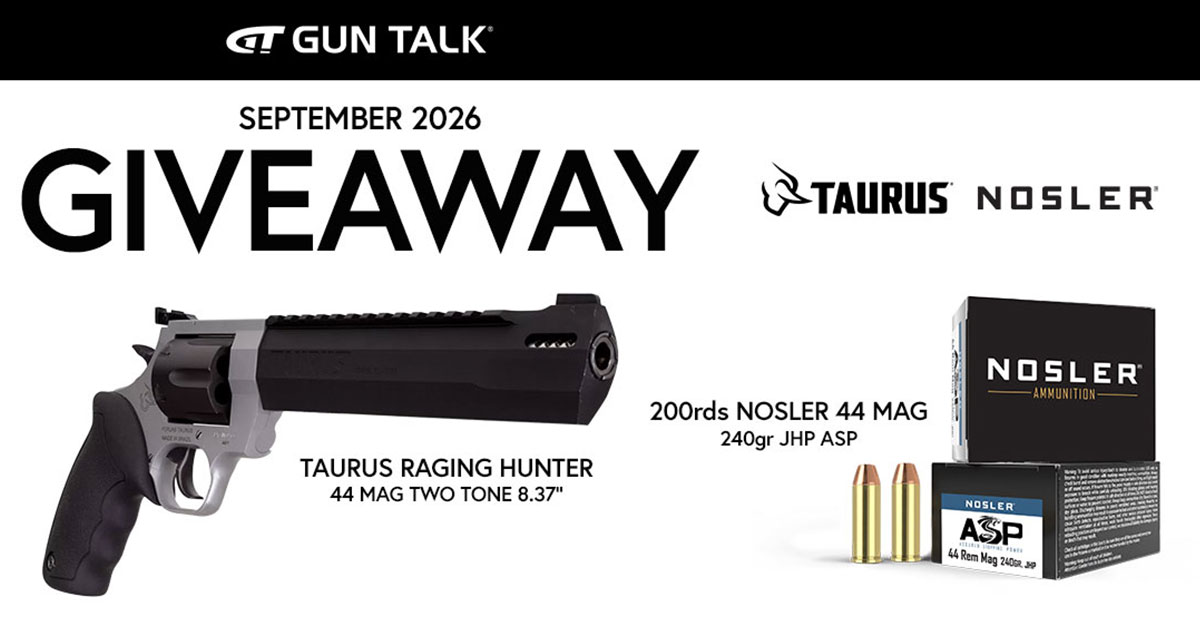
Gun Talk Giveaway
One lucky winner will bring home:
Open to U.S. residents 21+ only. Void where prohibited.