September 11, 2025
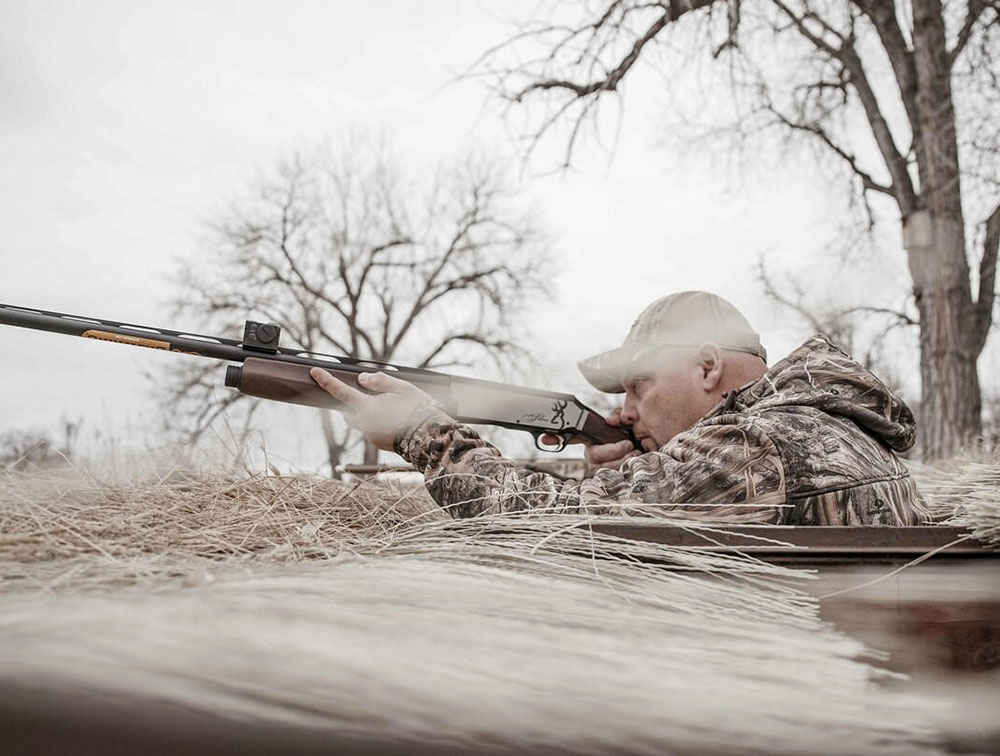
If you’ve ever lost a dove against a washed-out September sky or felt your bead go fuzzy just as a bird flared, you’ve probably wondered if there’s a better way to aim a shotgun than “hope and instinct.” Red dots aren’t the norm on bird guns, but for hunters with aging eyes or soft-focus issues, the right dot can clean up the sight picture without turning a wingshot into a rifle shot. The Aimpoint Acro S-2 is one of the few optics built specifically for shotgun ribs, and after a season of practice and field time, here’s a real-world look at what it does well, where it can get in your way, and how to use it effectively for birds or clays.
What the Acro S-2 Is (and Isn’t)
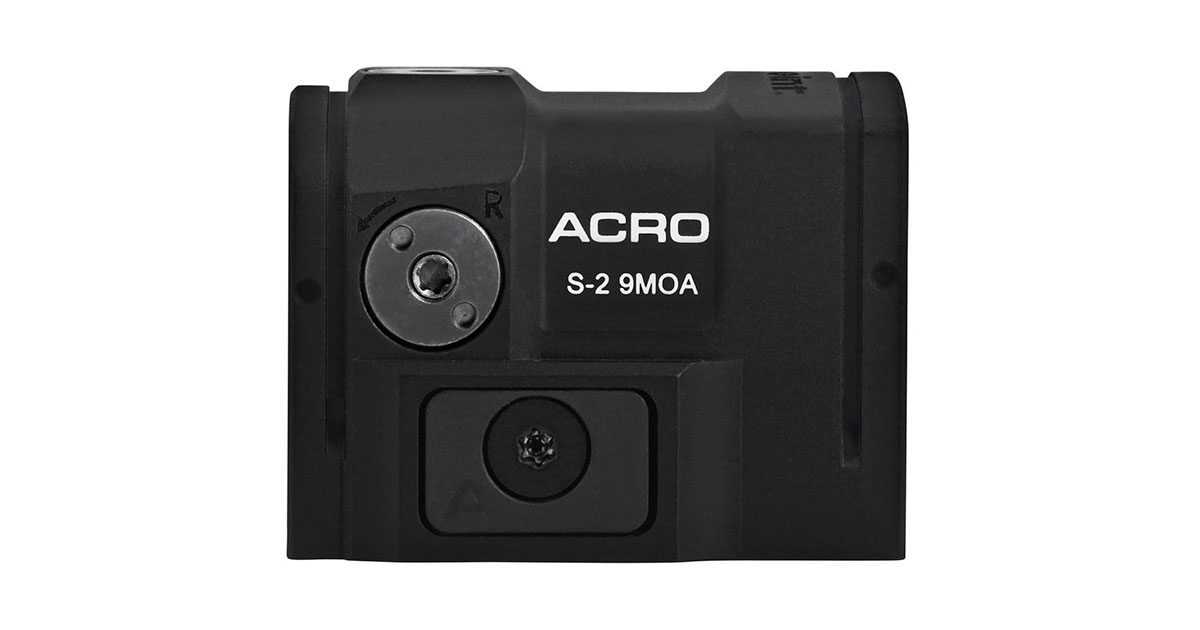
The S-2 is a closed-emitter red dot designed to clamp directly to a ventilated shotgun rib, using included base plates that fit common rib widths. It runs a large 9-MOA dot, has ten daylight brightness settings, and is built on the second-generation ACRO architecture known for being sealed, durable, and simple. Aimpoint rates battery life at up to 50,000 hours on one CR2032 cell, and the sight body weighs about 2.4 oz.—light enough not to torpedo the lively feel of a field gun. Height over the rib is kept low (optical axis ~15 mm above the mount), and the optic is submersible to 15 ft—not that your dove field doubles as a duck slough, but durability is durability.
A big note for shotgun hunters: the enclosed emitter means dust, chaff, sweat, and weather are kept off the LED and rear lens—one reason the ACRO line is popular on hard-use pistols and carbines. That same design makes sense around cord-grass, milo stalks, and the general grit of opening day.
Aimpoint also leans into “operationally parallax-free” marketing language. In practice, it means you keep both eyes open, get the dot on what you want to hit, and press; small head-position errors don’t throw shots wildly off target. The sight turns on at a mid-high setting (7 of 10), with plus/minus buttons to adjust quickly when the sun ducks behind clouds or you spin into a shaded treeline.
Why a Dot for birds?
Aging eyes and soft focus make a front bead and rib go from crisp to ghostly. With a red dot, your focal plane stays on the bird—the dot lives in the same visual layer. On high, hard crossers or birds that flash through gaps, that single point of reference can reduce the “bead-chasing” that leads to stopping your swing. A 9-MOA dot is intentionally big: at 30 yards it subtends roughly 2.7 inches—small against a dove’s arc but large enough to grab your attention without needle-point precision. Think of it as a glowing pseudo-bead that floats where the muzzle is headed.
That said, a red dot does not replace lead judgment or a smooth mount. If you try to “park” the dot on a dove and press like you’re shooting a static steel plate, you’ll miss behind all afternoon. The dot is a reference, not a brake.
Mounting & Setup: Don’t Skip the Boring Stuff
The S-2 ships with an ultra-low mount that clamps to ventilated ribs and a set of interchangeable base plates. The plates matter. They’re sized for rib width and thickness; get the wrong combo and you’ll either pinch the rib or never truly clamp it. Aimpoint sells thin-rib and thick-rib plate sets; the manual includes a selection guide and cautions about how the locking plate should sit—flush is your friend. Take ten minutes to measure your rib and choose the plates that fit just right. Then use thread prep as specified, torque evenly, and re-check after your first box of shells.
Two more setup notes:
Zeroing & Patterning: Set the Dot to Your Shot
Wingshooters don’t “zero” in the rifle sense—but you do want the center of your pattern to land where your mount puts the muzzle. Here’s a quick routine:
This approach keeps the dot an honest indicator of where your gun shoots when you aren’t over-aiming—exactly what you want in the field.
Brightness, Astigmatism & Dot Behavior
The S-2’s ten daylight settings include higher maximums tuned for bright sky conditions—helpful on pale, blown-out days. Keep the dot just bright enough to be crisp. Overdriving brightness can make the dot “bloom,” which looks like a starburst or comma—especially if you have astigmatism. Lower the setting a notch or two until the dot is round and stable against the sky. The sight’s default power-on at setting 7 is a nice middle ground; bump up for noon sun, bump down near dusk.
How to Actually Shoot Doves with a Red Dot
The mechanics are familiar, but the dot changes what you look at and when you confirm lead.
Both eyes open; eyes on the bird. The dot is peripheral confirmation. If you stare at the dot, you’ll stop the gun. Trust your mount, read the line of flight, and see the dot drift just off the beak as you continue the swing.
Lead methods still apply. Whether you’re a “swing-through,” “pull-away,” or “sustained lead” shooter, the dot simply makes the relative gap more visible. With sustained lead, let the dot live just in front of the bird’s path and keep the gun moving through the shot. With pull-away, touch the bird with the dot, accelerate a smidge, and press as the dot clears to daylight.
Break the “check-the-dot” habit early. Early adopters tend to mount, stop, verify dot on bird, then fire—behind every time. Practice feeling the dot’s position without freezing the muzzle.
Use the window edge as a coaching tool. If the dot keeps escaping the top of the window, you’re lifting your head. If it drifts low left on every mount, your stock might be a hair long or your mount inconsistent. The S-2 can quietly coach your gun fit and mount quality.
Drills to Get Comfortable (Before Opening Day)
Practice matters. Switching to a dot without reps is like changing from a 28-inch barrel to a 22-inch the morning of the hunt—possible, but ugly.
Field Pros & Cons
The Good
The Trade-Offs
Practical Details You’ll Care About
So…Should You Hunt Doves with the S-2?
If you’re a traditionalist with laser eyes and a perfect mount, a bead still kills birds just fine. But for a lot of hunters—especially those noticing the bead fuzz or having trouble keeping hard focus on fast birds—the S-2 tidies the picture without demanding new mechanics. It keeps the field of view open, confirms lead visually, and doesn’t melt down if a dust devil sweeps your stand.
It isn’t magic. You will need a couple boxes of clays to rewire your brain not to over-aim. You may need a cheek-piece tweak. And you might notice slightly different swing timing. But with a few evenings of practice, most shooters find their hit percentage on straight pass-shooters and medium crossers goes up, and—maybe more important—their confidence does too.
If that sounds like you, set up the mount correctly, pattern to your natural POI, practice until the dot appears without thought, and go enjoy one of the most social, forgiving hunts of the year with a sight picture that works with your eyes, not against them.
(Photos courtesy of Aimpoint)

Gun Talk Giveaway
One lucky winner will bring home:
Open to U.S. residents 21+ only. Void where prohibited.

