August 11, 2026
Five years ago, if you told a serious defensive shooter you were running an enclosed emitter optic on your carry pistol, you’d have gotten a raised eyebrow. Too bulky. Too expensive. Not enough options. The open emitter — the Trijicon RMR, the Holosun 507C, the various competitors in that space — was the dominant technology and the default recommendation for anyone putting glass on a pistol. For a broader primer on how pistol-mounted red dots work in general, our Pistol Red Dot Sights Guide is a good starting point before diving into the enclosed-vs-open decision below.
The 2026 market looks different. The explosion of enclosed emitter options — driven by genuine engineering advances from Aimpoint, Holosun, Steiner, Sig Sauer, Vortex, and others — has put sealed pistol optics at price points ranging from under $300 to just under $600, covering every use case from deep concealment carry to hard-use duty builds. The new Glock Gen 6’s optics-ready system was designed specifically with these optics in mind. The Sig P320 platform has been adapted to accommodate them. The CZ P-10 line added compatibility. The market for enclosed emitters has matured from a specialty product into a mainstream category.
This guide cuts through the options, explains what actually matters in an enclosed emitter for defensive and duty use, and gives you concrete recommendations at every budget. If you’re putting glass on a pistol in 2026, enclosed should be your default starting point.
The fundamental advantage of an enclosed emitter is exactly what it sounds like: the LED emitter — the component that projects the dot you aim with — is physically sealed inside a protective housing rather than exposed to the environment. On an open emitter optic, the emitter faces forward, unprotected. On an enclosed emitter, it is shielded on all sides.
This distinction matters more than most new pistol optic buyers realize. Open emitter failures in the real world are almost never caused by the LED itself dying. They are caused by the emitter getting blocked — by pocket lint when drawing from concealment, by rain drops on a wet range day, by mud during a training course, by condensation when moving from a cold environment into a warm one. Any obstruction between the emitter and the glass produces a degraded or invisible dot at the moment of the draw. That’s the moment an optic cannot afford to fail.
Enclosed emitters eliminate that failure mode. The emitter cannot be blocked by debris because it is housed inside the optic. The lens can still get dirty, but a dirty lens is a wiped lens — a blocked emitter in the middle of a presentation is something else entirely.
| Debris resistance | Open: emitter exposed to lint, rain, mud. Enclosed: emitter fully protected. Clear winner: enclosed. |
|---|---|
| Fogging | Enclosed emitters can fog internally if moisture is trapped. True sealed units (ACRO P-2, Steiner MPS, EPS Carry) prevent this. Quality matters. |
| Weight | Enclosed adds 0.1–0.5 oz. vs. comparable open emitters. Negligible on a carry pistol. |
| Window size | Open emitters typically have larger windows. Enclosed housings constrain window dimensions. Trade-off varies by model. |
| Price | Enclosed runs $100–$150 more than comparable open emitters at most price points. Premium is narrowing as market matures. |
| Durability | Enclosed housing provides significantly better protection from impacts and recoil stress on the emitter assembly. |
| Dot acquisition | Comparable between quality open and enclosed options. Some find the enclosed housing helps natural eye alignment. |
| Battery access | Variable. Some enclosed designs require optic removal to change battery (forces re-zero). Best designs offer side battery access without removal. |
| Footprint ecosystem | Aimpoint ACRO footprint most common for enclosed. RMSc footprint for compact carry designs. Compatibility varies by pistol. |
| Verdict | For carry and duty: enclosed wins. For competition with covered range conditions and open-class rules: open may be preferred for window size. |
The dot size question divides shooters more than almost any other specification. The answer depends on how you use the pistol. A 3 MOA dot provides more precision for longer shots and competition use but is slightly harder to find quickly under stress. A 6 MOA dot is faster to acquire under adrenaline and at close range, but covers more of the target at distance and can reduce precision.
For defensive concealed carry — where most engagements occur inside 7 yards under stress — a 6 MOA dot is the faster, more practical choice. For duty use where distance shots are possible, 3 MOA provides more precision without meaningfully sacrificing speed for a trained shooter. The Holosun multi-reticle system — a 2 MOA center dot with a 32 MOA circle surrounding it — offers the best of both, using the circle for fast acquisition and the dot for precision. It is the most practical reticle option currently available for defensive pistol use.
Battery life matters differently on a carry pistol than on a rifle or competition gun. Your carry optic is on your body, ideally always on and motion-activated. Long battery life means less frequent changes and less opportunity to forget. The Aimpoint ACRO P-2 and Holosun 509T X2 achieve 50,000-hour battery ratings — in practical terms, that is years of continuous operation. Battery location is equally important: the best designs offer side battery access that does not require removing the optic from the slide, which would force a re-zero. This is not a minor convenience — it is a meaningful reliability feature.
Deck height — how high the optic sits above the slide — affects two practical realities. First, a lower-sitting optic co-witnesses better with iron sights at standard height, giving you a backup aiming system if the optic fails. Second, a lower profile prints less under a cover garment during concealed carry and snags less on clothing during the draw. The Sig Romeo X Enclosed Pro and Holosun EPS Carry are specifically praised for their low deck height. The Aimpoint ACRO P-2 sits higher — a trade-off for its bombproof construction.
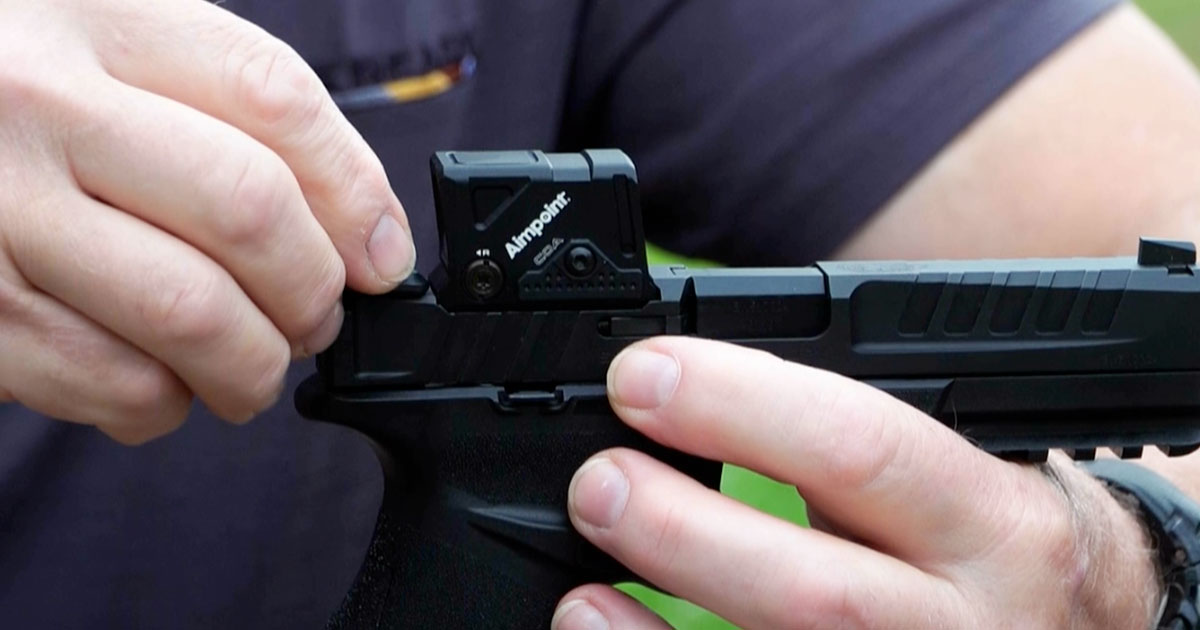
Before you spend money on any optic, confirm your pistol’s slide cut and what footprints it accepts. The ACRO footprint is the most common for full-size enclosed emitters and is increasingly supported by pistol manufacturers directly or through adapter plates. The RMSc footprint is the standard for compact carry pistols — the Sig P365, Glock 43X/48 MOS, Springfield Hellcat, and others are cut for it. Running an adapter plate adds height and complexity; a direct cut is always preferable. The Glock Gen 6’s new ORS system accepts a broad range of enclosed footprints directly, which is one of its most practical improvements.
Not all ‘enclosed’ emitters are created equally. Some — like the Aimpoint ACRO P-2, Holosun EPS Carry, and Steiner MPS — are fully sealed units where the emitter is enclosed at the factory and cannot be accessed. Others use modular shields or covers that can be installed or removed by the user, or that create an enclosed configuration but are not factory-sealed. For maximum reliability against internal fogging and debris ingress, a truly sealed unit is preferable. Read the manufacturer specifications carefully before assuming any enclosed-marketed optic is fully sealed.
The 2026 market has more quality enclosed emitter options than ever before. Here are the standouts across use cases and price points, with honest assessments of what each does best and where it falls short.
| Optic | Best For | MSRP | Key Specs | Footprint |
|---|---|---|---|---|
| Aimpoint ACRO P-2 | Duty / hard use | $599 | 3 MOA │ 50,000 hr battery │ Side CR2032 │ IP67 │ Titanium housing | ACRO footprint |
| Holosun EPS Carry | CCW / micro-compact | $389 | 2 or 6 MOA │ 50,000 hr │ Solar failsafe │ RMSc │ Titanium | RMSc footprint |
| Holosun 509T X2 | Full-size EDC / duty | $439 | 2 MOA + 32 MOA circle │ 50,000 hr │ Shake-Awake │ Solar │ Titanium | 509T / ACRO adapter |
| Steiner MPS | Duty / LE / mil | $799 | 3.3 MOA │ 13,000 hr │ Large window │ Parallax-free │ Side battery | ACRO footprint |
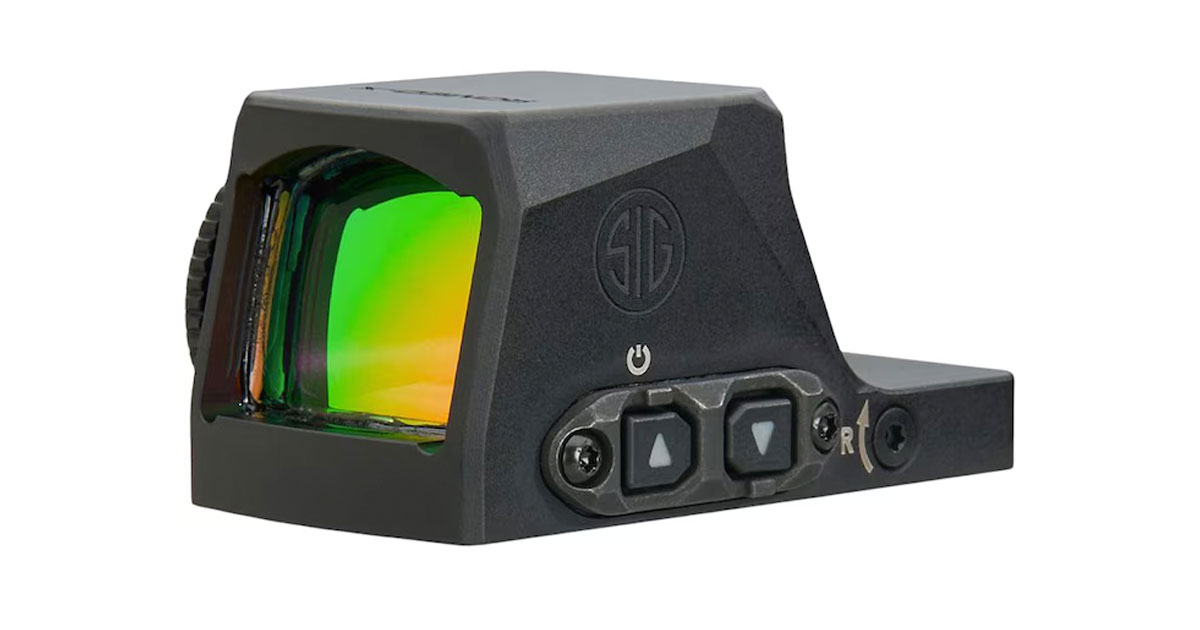
| Sig Romeo X Enclosed Pro | Full-size carry / duty | $499 | 3 MOA or circle-dot │ Low deck │ Side battery │ SIG PRO slide native | SIG PRO footprint |
| Vortex Defender-CCW | CCW / everyday carry | $279 | 6 MOA │ Compact │ RMSc │ Shake-Awake │ Vortex VIP lifetime warranty | RMSc footprint |
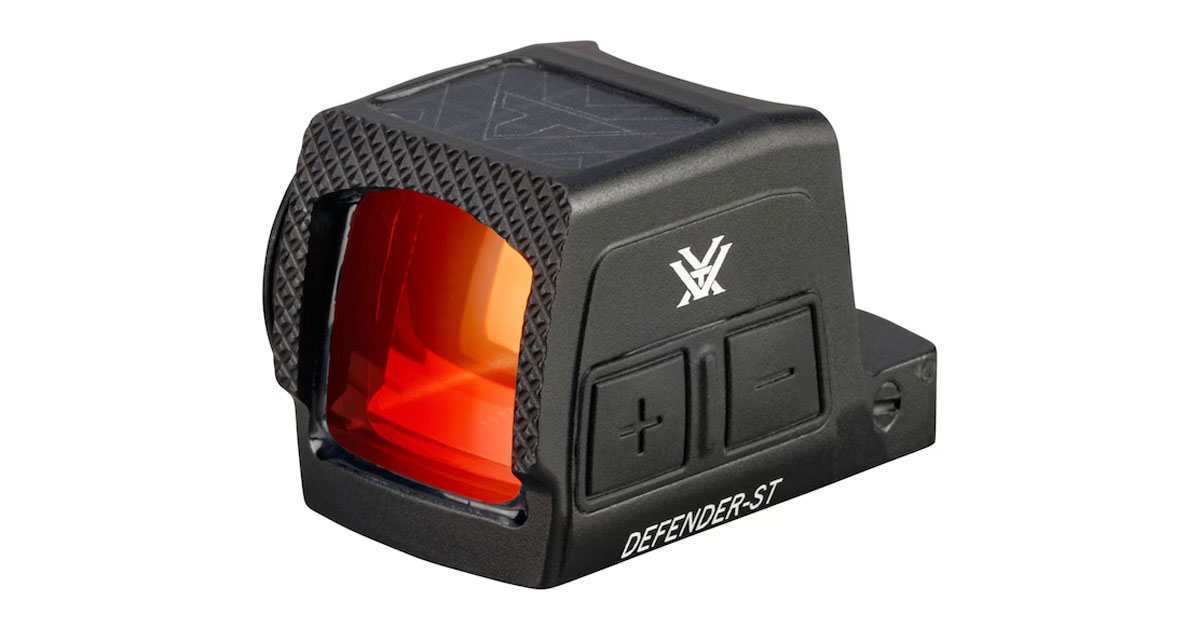
| Vortex Defender-ST | Full-size / duty | $299 | 6 MOA │ DeltaPoint Pro footprint │ Long battery │ All-weather sealed | DeltaPoint Pro |
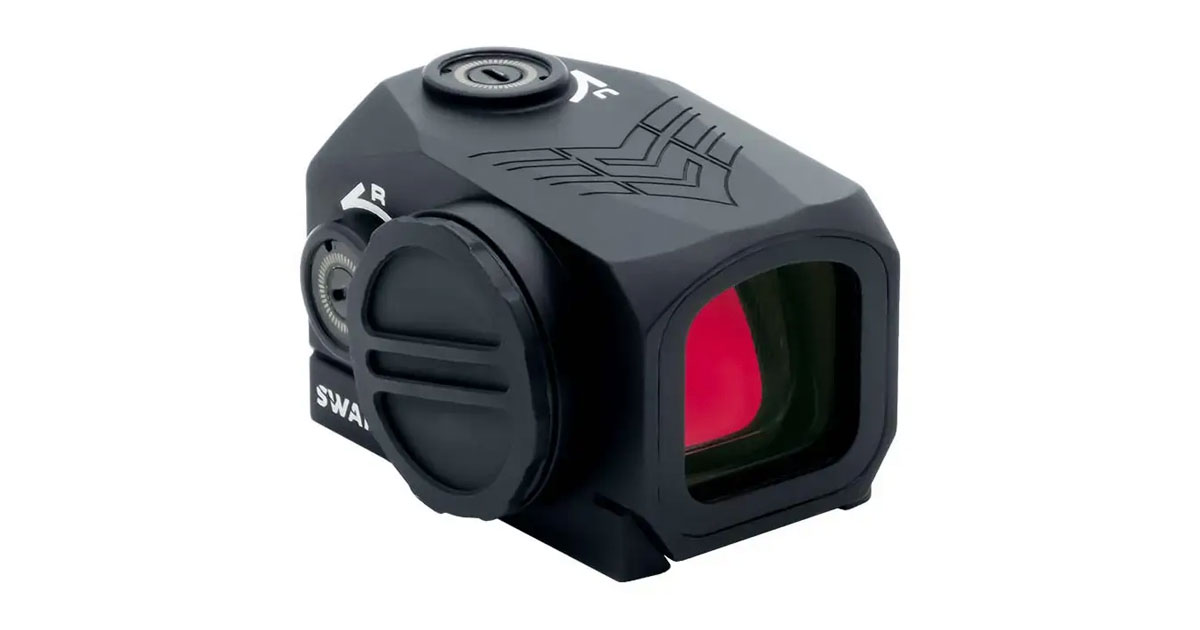
| Swampfox Kraken | Budget / first optic | $199 | 3 MOA │ Enclosed design │ Ships w/ RMR + MOS plates │ Shake-Awake | Proprietary + plates |
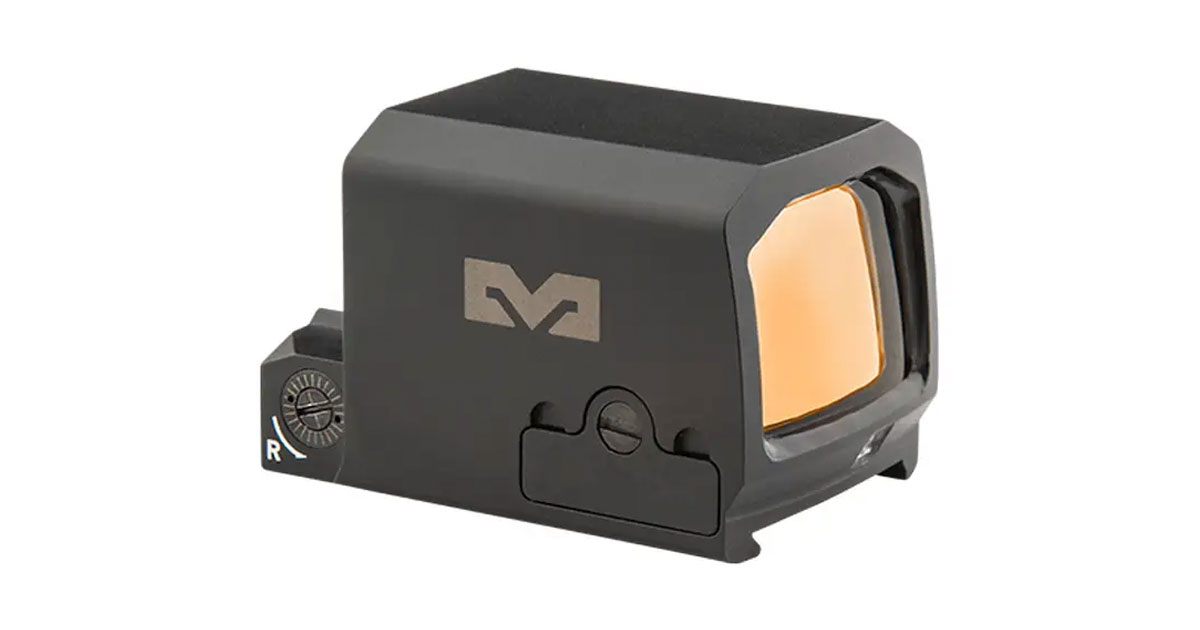
| Meprolight MPO PRO-F | All-around value | $349 | 3 reticle options │ Large window for size │ RMSc │ Blue-tinted glass | RMSc footprint |
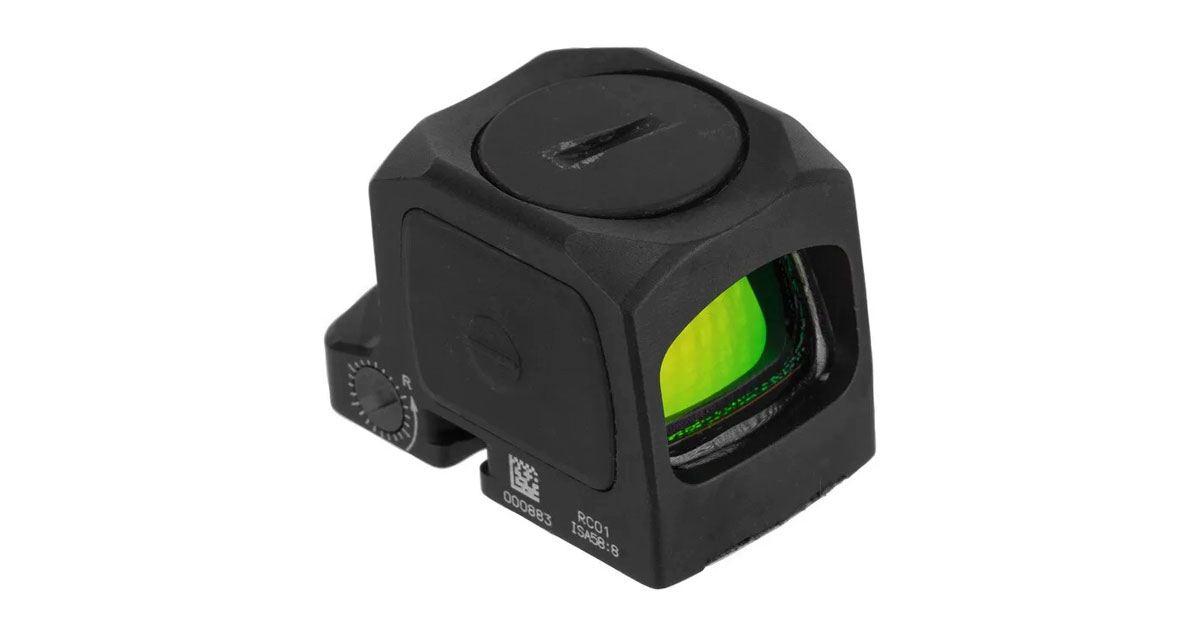
| Trijicon RCR | Duty / hard use | $599 | 3.25 MOA │ Ruggedized │ Auto-brightness │ Low-profile │ ACRO-compatible | ACRO / adapter |
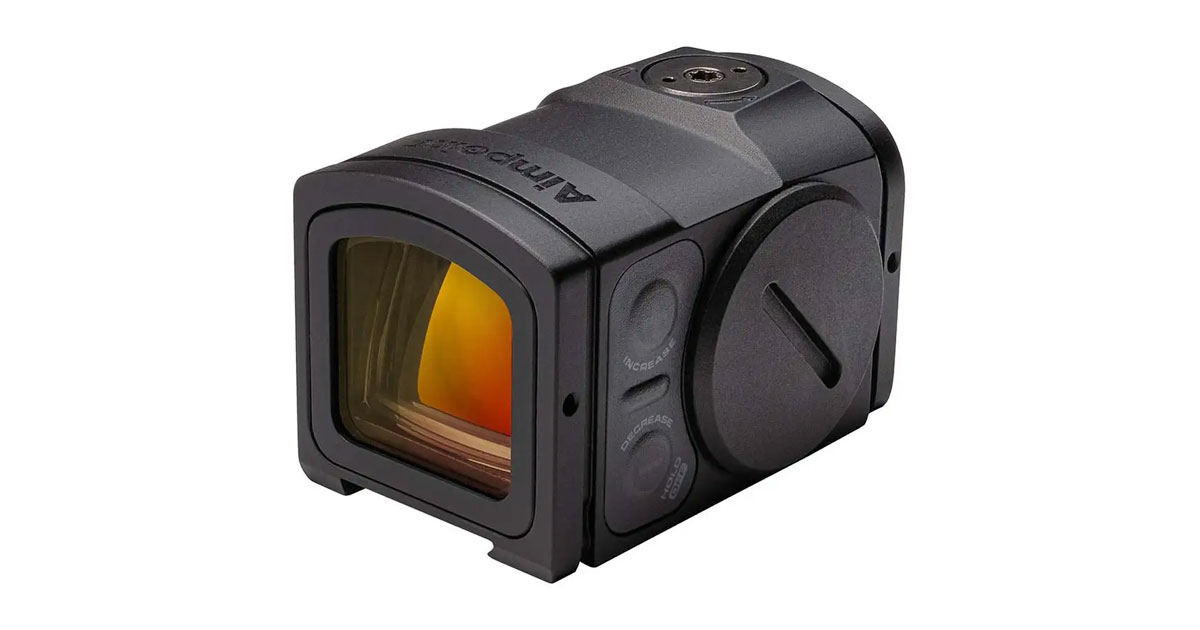
The ACRO P-2 is the optic that made enclosed pistol optics a serious category. Before the ACRO, enclosed emitters were largely limited to rifle applications. Aimpoint brought the enclosed design to pistols with a housing that absorbs recoil without complaint, a 50,000-hour battery life, and a side-access CR2032 battery that can be changed without removing the optic and losing zero. It is IP67 rated — submersible, dustproof, and rated for operating temperatures from -49 to 160 degrees Fahrenheit.
The ACRO P-2’s weaknesses are its price ($599) and its relatively small window compared to full-size open emitters. Neither of these is a dealbreaker for a duty or defensive optic, but they are the honest limitations. For a shooter who prioritizes maximum reliability over every other consideration and can accept the price, the ACRO P-2 remains the gold standard.
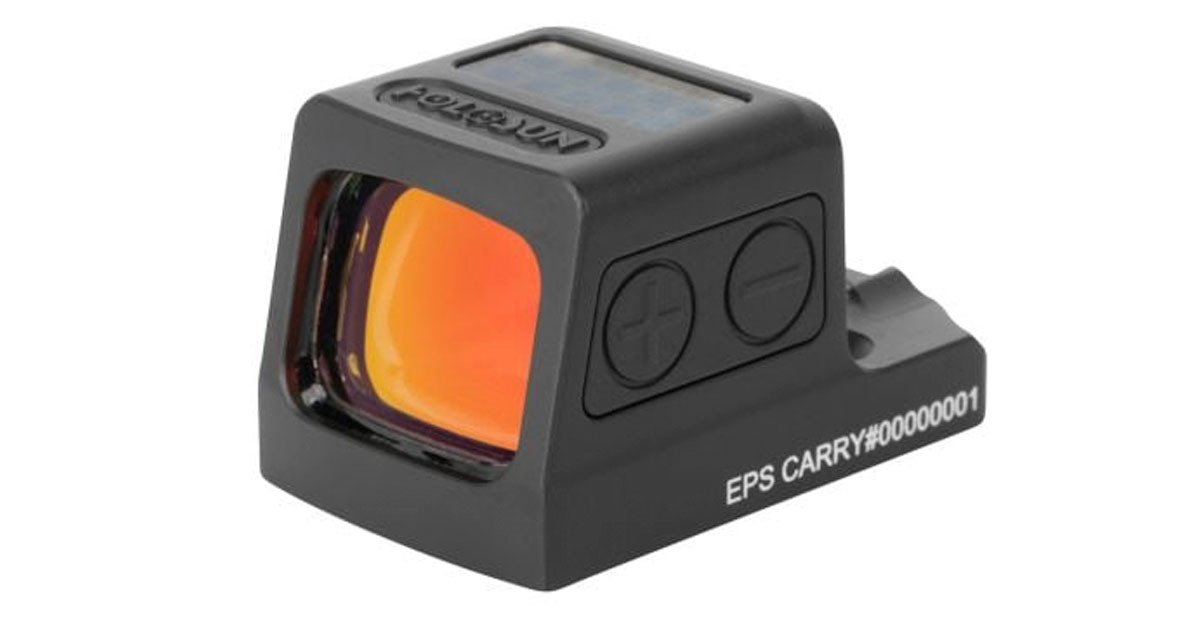
The EPS Carry solved a problem nobody had cleanly solved before: how to put an enclosed emitter on a micro-compact carry pistol without the optic becoming the dominant mass on the gun. Its compact dimensions, RMSc footprint that drops directly onto the P365, Glock 43X MOS, and Springfield Hellcat without adapter plates, 50,000-hour battery life, and Holosun’s solar failsafe backup power make it the most practically sound enclosed emitter for concealed carry pistols currently available.
The solar failsafe feature deserves specific mention: even when the battery is depleted, the EPS Carry’s solar cell maintains dot function in ambient light conditions. For a carry optic that may sit in a holster for days without the owner checking the battery level, this is a genuinely meaningful reliability feature. The glass quality and parallax control surprised multiple reviewers who expected compromise for the size. They are notably good for a micro emitter.
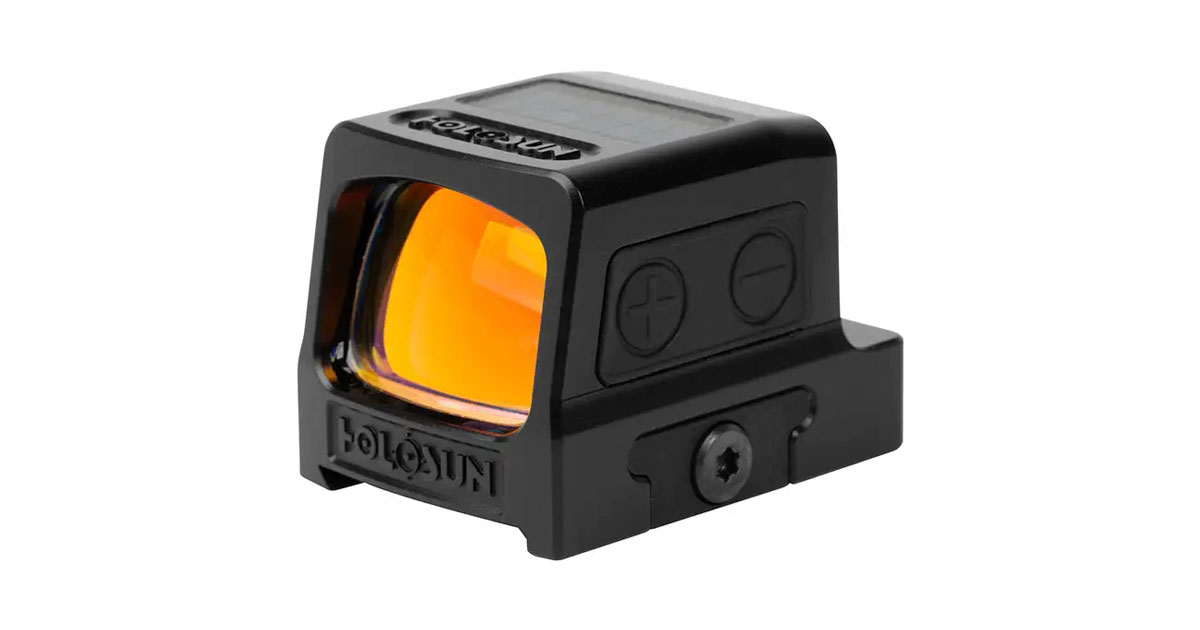
The 509T X2 is the enclosed emitter choice for full-size EDC and duty pistols that don’t need the absolute premium build of the ACRO P-2 but want more capability than budget alternatives offer. Its titanium frame absorbs recoil exceptionally well — documented across high-round-count evaluations without zero shift. The multi-reticle option (2 MOA dot + 32 MOA circle) is the most versatile reticle configuration in the pistol optic market. The solar backup adds redundancy. At $439, it undercuts the ACRO P-2 by $160 while delivering meaningfully similar duty-grade reliability.
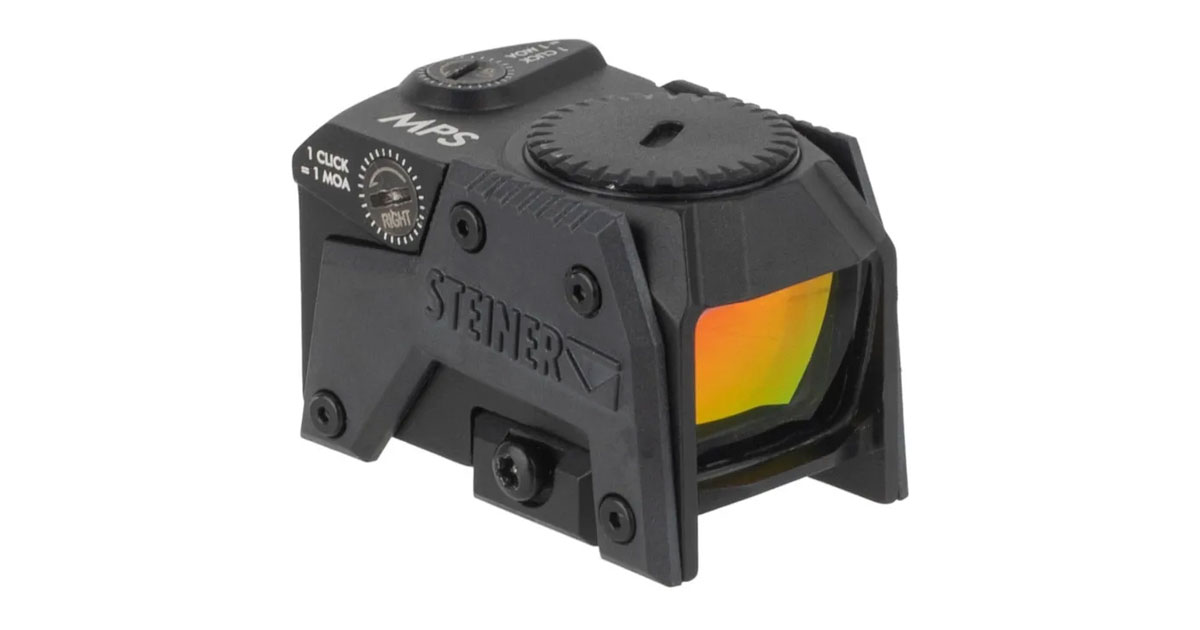
The Steiner MPS carries the highest price in the standard consumer market at $799, and it earns that price through two specific attributes: the largest window in its class and the glass quality that comes from Steiner’s professional optics manufacturing heritage. The MPS was designed for law enforcement and military use, and it shows in its construction and optical standards. Its 13,000-hour battery life is lower than Aimpoint or Holosun competitors, and the ACRO footprint limits direct-mount compatibility. But for a duty shooter who prioritizes sight picture quality and situational awareness through the optic, the MPS window is a genuine capability advantage.
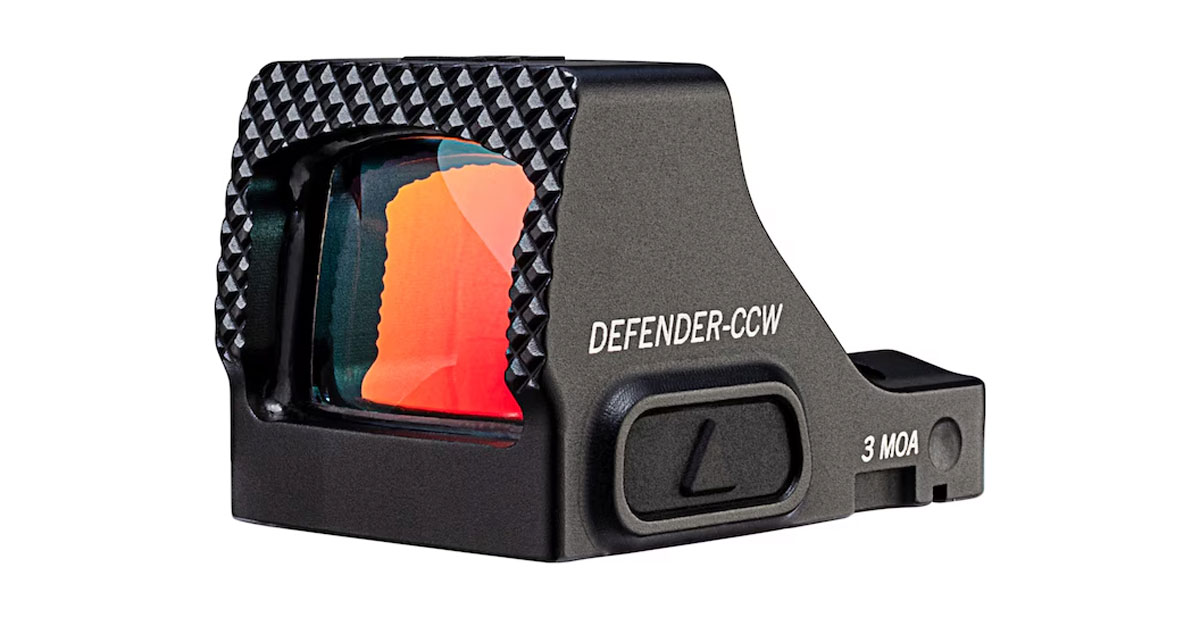
The Vortex Defender-CCW is the most important entry in the enclosed emitter market for shooters who want a quality sealed optic without the Aimpoint or Holosun price premium. At $279, it substantially undercuts the EPS Carry while delivering a compact RMSc-footprint design with a sealed emitter, Shake-Awake activation, and Vortex’s VIP lifetime warranty — an industry-leading no-questions-asked replacement policy. The glass quality and window are not the EPS Carry’s equals, and the dot is a single 6 MOA option without multi-reticle. But for a first enclosed emitter purchase, a backup carry gun build, or a budget-constrained buyer who wants proven warranty support, the Defender-CCW is the correct starting point.
Footprint compatibility is the most common source of buyer’s remorse in the pistol optic market. An optic that doesn’t fit your slide cut is useless without an adapter plate — which adds height, complexity, and potential failure points. Always confirm footprint compatibility before purchasing.
| Aimpoint ACRO footprint | Compatible with: Glock Gen 5/6 MOS (with ACRO plate), CZ P-10 F OR, Sig P320 XFULL, HK VP9 OR, Springfield Echelon, S&W M&P M2.0 (newer variants). Compatible optics: ACRO P-2, Steiner MPS, Trijicon RCR, Holosun 509T X2 (with plate). |
|---|---|
| RMSc / Shield micro footprint | Compatible with: Sig P365 series, Glock 43X/48 MOS, Springfield Hellcat, Ruger Max-9, S&W Shield Plus. Compatible optics: Holosun EPS Carry, Vortex Defender-CCW, Shield RMSc, Meprolight MPO PRO-F. |
| Glock Gen 6 ORS | Native support for broader footprint range including ACRO-compatible optics. Check Gen 6 compatibility documentation for specific optic pairings. |
| DeltaPoint Pro footprint | Compatible with: many S&W M&P variants, some Walther pistols, Beretta APX series. Compatible optics: Vortex Defender-ST, Leupold DeltaPoint Pro (open emitter). |
| Sig PRO footprint | Native to Sig P320 Pro-cut slides. Compatible optics: Sig Romeo X Enclosed Pro, Romeo2. |
| Holosun 509T footprint | Proprietary footprint. Requires adapter plate for RMR or MOS slides. Widely supported aftermarket adapters available. |
The answer depends on three variables: your pistol’s slide cut, your primary use case, and your budget. Here is the shortest possible version:
The pistol-mounted red dot revolution started with open emitters. The enclosed emitter is where it matures. For any pistol used in a defensive, duty, or hard-training context, the case for a sealed emitter over an open one is now strong enough that it should be the default recommendation rather than the premium upgrade. The price gap has narrowed. The options have multiplied. The technology works. It’s time to make the switch.

Gun Talk Giveaway
One lucky winner will bring home:
Open to U.S. residents 21+ only. Void where prohibited.