Gun Talk November Giveaway
Two winners this month.
- CZ Duty F4.0Manual safety
- Black Hills MK262 MOD 1-C460 rounds, 77gr 5.56mm
Two winners. Must be 21+ to enter. Void where restricted.
Gun Talk November Giveaway
Two winners. Must be 21+ to enter. Void where restricted.
November 24, 2026
Avient is a materials company, not a gun company. Yves Cordeau of Avient describes it as an innovator of material solutions: when a customer needs a specialty material, Avient either uses something from its existing lineup or creates a new one. Composite Heat Release, or CHR, is one of the new ones.
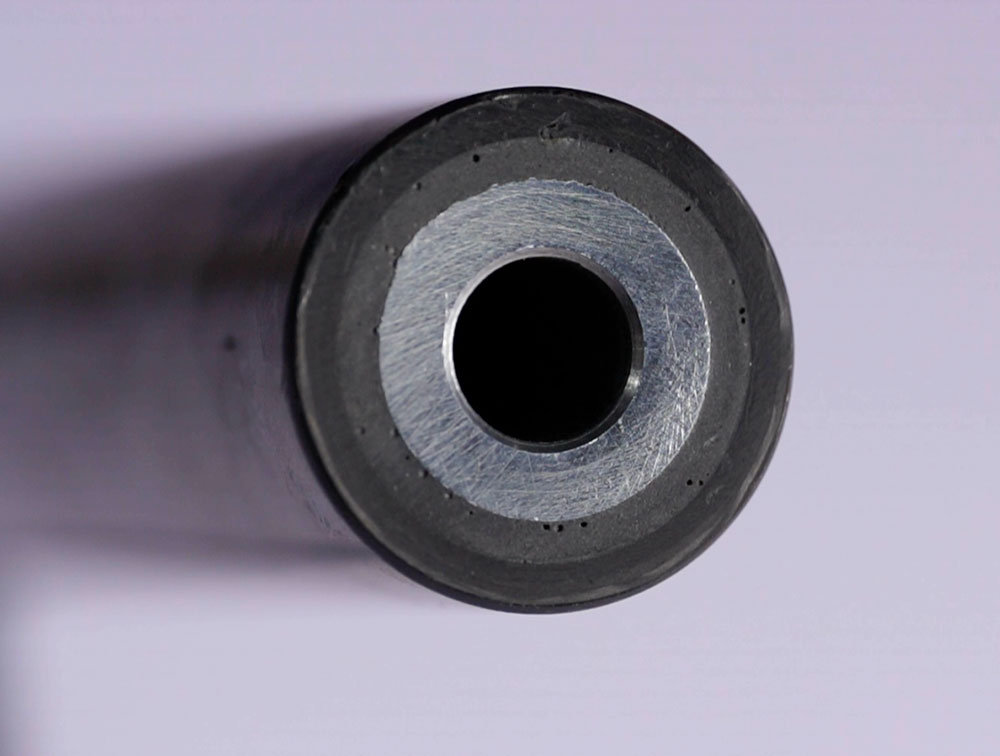
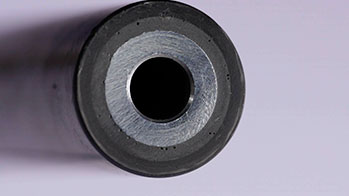
A traditional carbon fiber barrel is a steel core wrapped in carbon fiber. CHR adds a middle layer: a ceramic formulated by Avient for this process, sandwiched between the steel and the carbon fiber. Avient builds it on a SAAMI-compliant steel barrel blank supplied by the gun maker, and the technology is patent-pending.
The ceramic is formulated for low thermal inertia. In Yves’ plain-language version, it doesn’t like to hold heat, so it draws heat out of the bore quickly and keeps bore temperatures lower. Avient says the result is a barrel that is lighter and stiffer than a plain steel one, heats slowly and cools quickly.
Avient didn’t put a number on how much cooler it runs. Asked about the difference, Yves said it depends on what you compare it to, and that it outperforms large steel barrels and competitive carbon barrels by varying amounts.
As a barrel heats up, point of impact can shift. Yves says that during a long string or a zeroing session, some barrels will start walking, and CHR is meant to keep that from happening. For competition shooters at 600 to 1,000 yards, holding a tight group as the barrel warms is the point.
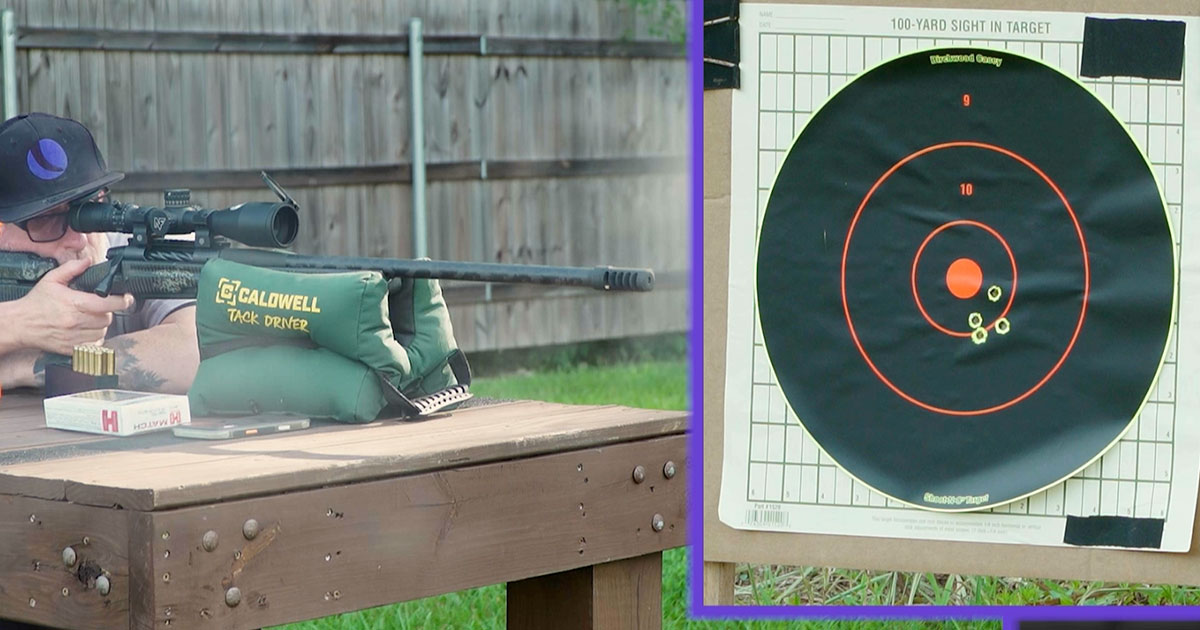
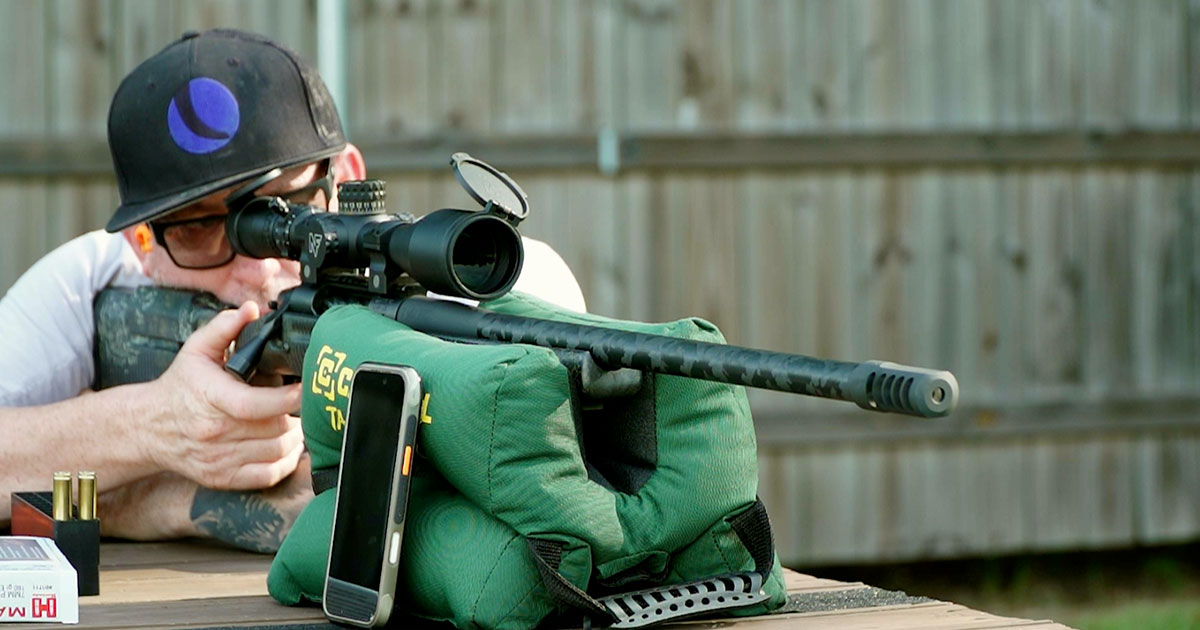
KJ set up a 7mm PRC shooting Hornady match ammunition, a cartridge KJ called about as hot as it gets right now, and used a heat gun to track barrel temperature. The baseline reading was about 85 degrees. KJ fired eight quick shots and reported that the group held together. Right after shooting the barrel read 136 degrees.
From there KJ started a timer. At one minute and 45 seconds into the cooling, the barrel read 102 degrees. That is the cooling KJ was after, since competition shooters often get 15 to 30 minutes between stages. This was a single informal demo, not a lab test, so treat it as one data point rather than a benchmark.
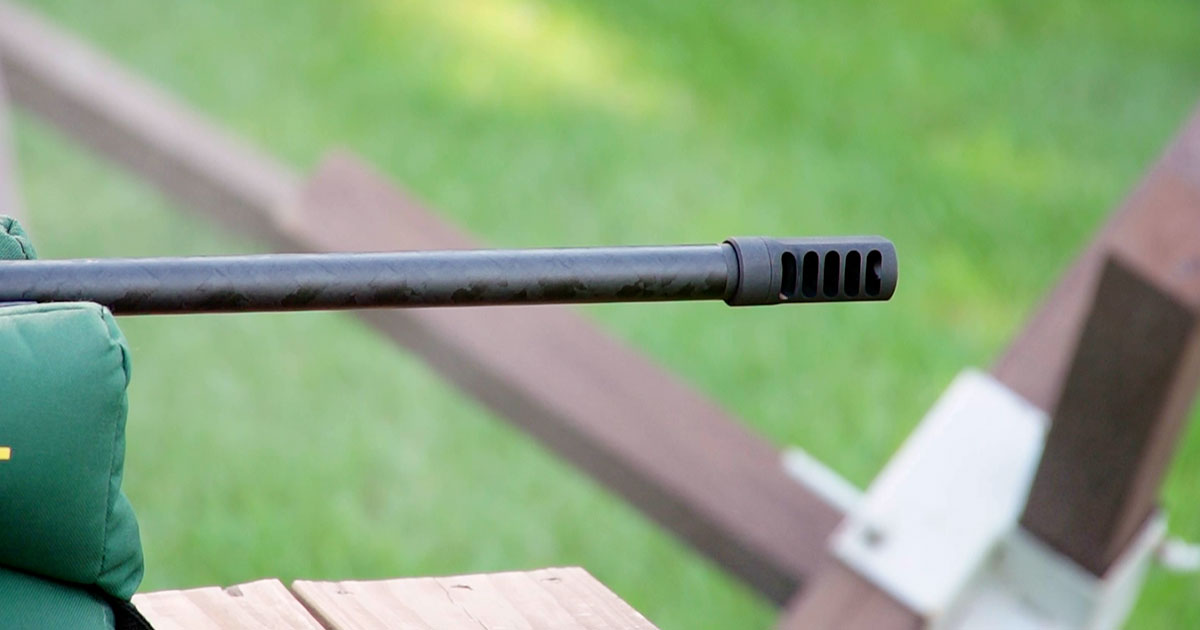
KJ passed along an analogy from Chris Cerino: put a potato and a loaf of bread in a microwave. The potato holds its heat, like a steel barrel. The bread lets heat move through, so it cools faster. The outside of the barrel may feel hot to the touch, but the inside is warm rather than blazing, which is where impacts can deviate.
Avient doesn’t sell guns. According to Yves, it partners with firearm makers, who put the technology on their barrels. He says it is already on gun store shelves and will show up on more guns over the coming months as Avient grows with its customer base. Look for Avient CHR on finished rifles and on barrels sold online.
For shooters who push a barrel hard, such as long-range competitors and anyone zeroing a hot cartridge, a barrel that sheds heat quickly is worth a look. Learn more about the technology at avient.com.
Watch the full show on Shooting Sports Life at shootingsportslife.com.


Gun Talk Giveaway
One lucky winner will bring home:
Open to U.S. residents 21+ only. Void where prohibited.