October 12, 2026
Gun Talk Staff
Gun Talk Media Staff — October 12, 2026
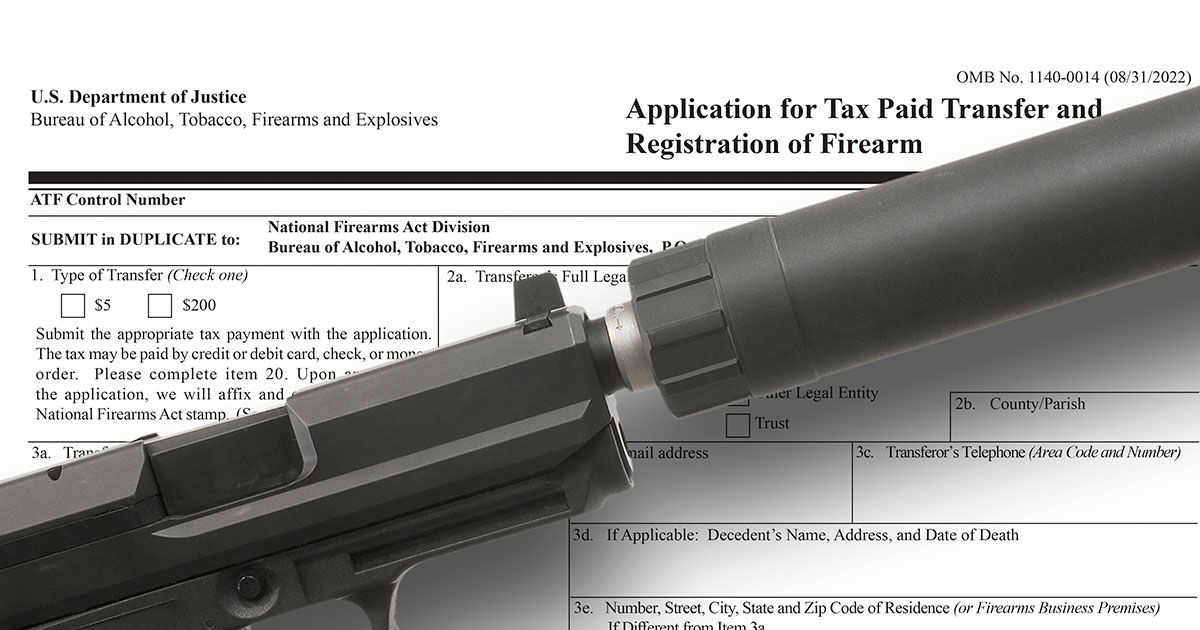
On Friday, October 9, Gun Talk Media reported ATF's Open Letter on the day it was signed. This is the complete breakdown of the Open Letter and the accompanying FAQ: what changes, what is left open, and what every gun owner, dealer and builder needs to understand.
The guidance went further than the court order behind it. The injunction in Silencer Shop Foundation v. ATF, consolidated with Jensen v. ATF, protects only the plaintiffs and certain related parties, including members and customers of several plaintiff organizations such as Gun Owners of America. ATF applied its non-enforcement policy to everyone, saying it was designed to eliminate “the inequity and disuniformity created by the district court's injunction, which is limited only to certain parties.”
It is enforcement discretion, not law. The policy can be reversed.
ATF will not enforce NFA approval, registration or tax-stamp requirements for suppressors, short-barreled rifles, short-barreled shotguns and “any other weapons.” In practice, that means:
Registration is now voluntary. ATF will keep accepting Forms 1, 2, 3 and 4 at the $0 tax rate for anyone who wants to register. Be careful with one detail: an item removed from the registry on request generally can't be re-registered unless the Attorney General declares an amnesty.
ATF is not enforcing 26 U.S.C. § 5861(j) against unregistered NFA items. The FAQ's own example is a manufacturer asking whether it may ship an unregistered silencer back to a customer after repair, and ATF's answer is that, as a matter of enforcement discretion, it is not enforcing that provision. That answers the “keep it in your state of purchase” question that has hung over the industry since the court ruling. State and local law is a separate issue, covered below.
For dealers, a Form 3 is no longer required for dealer-to-dealer transfers of silencers and AOWs. It can still be filed voluntarily.
Nothing here changes the Gun Control Act. Every suppressor, SBR, SBS and AOW transferred through a licensed dealer still requires a completed Form 4473 and a NICS background check. Prohibited persons remain prohibited, buyers must generally be residents of the dealer's state, and the FFL/SOT requirements for people in the business are unchanged.
For a buyer, that makes the 4473 and the background check the whole federal transaction for a suppressor. There is no waiting for ATF approval.
This is the most important caveat for dealers. The NFA guidance removes the Form 4 requirement for SBRs and SBSs, but the Gun Control Act has its own rule. Under 18 U.S.C. § 922(b)(4), a licensed dealer may not sell or deliver an SBR or SBS unless it is specifically authorized by the Attorney General. Form 4 approval is how that authorization used to happen.
ATF says no non-NFA approval process exists yet and that it is developing forms and regulations. In the meantime, it will not enforce § 922(b)(4). That is a stated enforcement position, not a regulation, and it comes with no timeline. A risk-averse dealer may want to keep filing Forms 4 voluntarily at no cost for SBR and SBS transfers until there is a permanent solution.
The guidance covers the § 5861(j) transport ban, but not 18 U.S.C. § 922(a)(4). ATF's FAQ says individuals must continue to file a Form 20 before moving an SBR or SBS across state lines, registered or not. Suppressors and AOWs don't have that requirement.
The guidance resolves the federal side only. ATF says it does not supersede state or local laws that restrict NFA firearms. Many states impose no controls beyond federal law, especially on silencers. A minority prohibit most or all NFA items, and neither the court order nor ATF's policy touches those bans. And most states that allow NFA items require them to be federally lawful or NFA-registered. ATF has said it cannot tell you whether an item held under this policy meets your state's standard.
Michigan is the example to watch. HB 6284 and HB 6285 would repeal the state's felony prohibition on suppressors, SBRs and SBSs, but both bills are still sitting in House Judiciary with no hearing date. Michigan residents shouldn't assume the October 9 guidance covers their state obligations. A voluntary Form 1 or Form 4 at $0 is the cautious path, and a conversation with a firearms attorney is worth having first.
The same goes for travel. Before you drive an unregistered suppressor or SBR through a restrictive state, talk to a firearms attorney.
The October 9 guidance is enforcement policy. It is not a statute, a regulation or a court ruling. ATF's FAQ says enforcement could resume if Congress imposes a new tax, if a court dissolves or overturns the injunction, or if the Department of Justice rescinds the guidance.
If that happens, unregistered suppressors, SBRs and SBSs would be treated as contraband, with felony penalties and forfeiture, and nothing is automatically grandfathered. The Attorney General has the authority to declare an amnesty of up to 90 days or grant forbearance, but isn't required to.
Federally, the process has never been simpler: a Form 4473, a NICS check and no wait for ATF approval. You can move the suppressor across state lines without a federal registration problem, but state law governs wherever you travel, and the guidance can be reversed. Voluntary registration is still available at $0.
The federal guidance doesn't help you with your state obligation. If your state requires NFA registration for legal possession, you still need it. Check with a firearms attorney in your state before you proceed without NFA paperwork.
The NFA Form 4 requirement is not enforced, but your dealer still faces the § 922(b)(4) question. ATF says it won't enforce it for now, but that is temporary. The cautious path is to ask your dealer how they are handling it and whether they will file a voluntary Form 4 at $0. After you take possession, interstate travel requires a Form 20.
ATF says it is not enforcing the NFA's approval requirement to make these items or the NFA marking requirement. The FAQ says licensed manufacturers must still serialize, and it is silent on individuals, so check your state's law and, if you want a record, file a voluntary Form 1.
Your suppressor and AOW business changes significantly: no Form 3 is needed for dealer-to-dealer transfers, and sales to buyers run on the Form 4473 and NICS alone. You still pay your SOT and keep your Gun Control Act records. SBR and SBS sales carry the temporary § 922(b)(4) risk, so document your reasoning, and don't transfer anything that would violate state or local law. The American Suppressor Association, NSSF and Silencer Shop all publish compliance guidance.
| Item | Status |
|---|---|
| Suppressors — purchase | No Form 4 required. Form 4473 and NICS only. State law still applies. |
| Suppressors — interstate transport | § 5861(j) not enforced. State law still governs. |
| AOWs | Same treatment as suppressors. |
| SBRs and SBSs — NFA approval | Not enforced, but the § 922(b)(4) dealer gap is unresolved. ATF will not enforce it for now. |
| SBRs and SBSs — interstate transport | Form 20 still required. |
| Registration | Voluntary at $0. Removal from the registry is effectively permanent absent an AG amnesty. |
| Machine guns and destructive devices | Fully regulated. $200 tax still applies. |
| Form 4473 and NICS | Still required for dealer transfers. |
| SOT/FFL licensing | Still required for those in the business. |
| Form 3, dealer-to-dealer | Not required for suppressors and AOWs. Voluntary filing allowed. |
| State and local law | Unchanged. Not superseded by the federal guidance. |
| Reversibility | Enforcement policy, not law. Can be undone by Congress, a court or a future DOJ. |
NFA registration is now voluntary and the Form 4 wait is gone. But state law controls, SBR dealer transfers have a temporary gap, and all of this can be reversed.
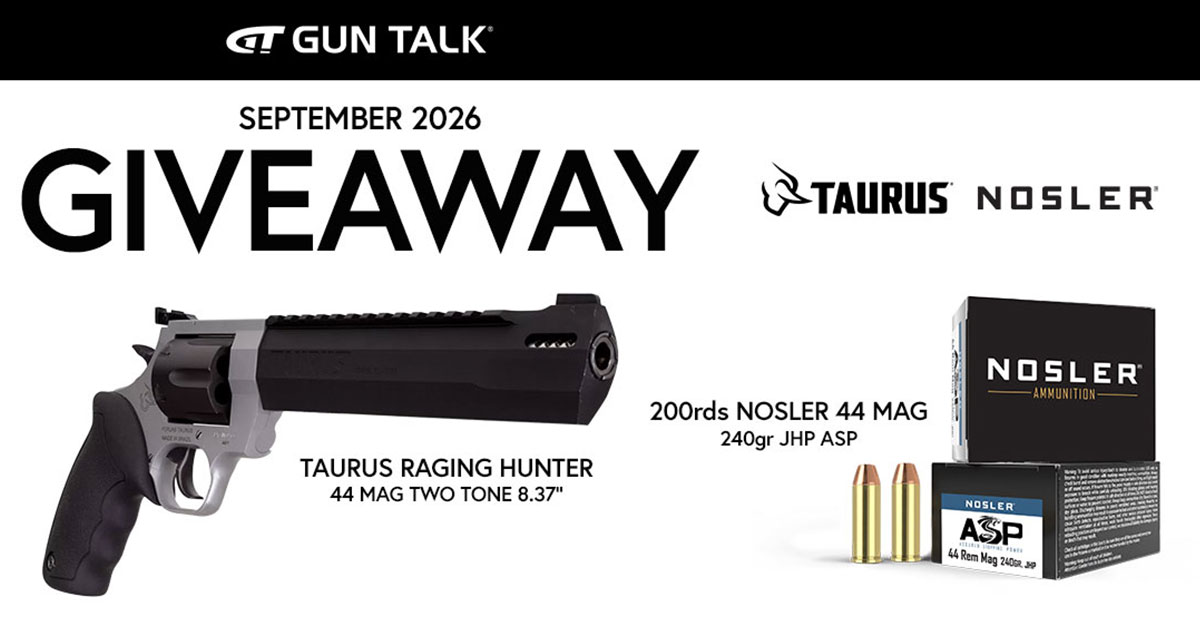
Gun Talk Giveaway
One lucky winner will bring home:
Open to U.S. residents 21+ only. Void where prohibited.